Planning the Curing Season Before It's Cold
Curing and cold smoking need cool, steady weather — which means the decisions get made in September and the work happens later. What to settle now.
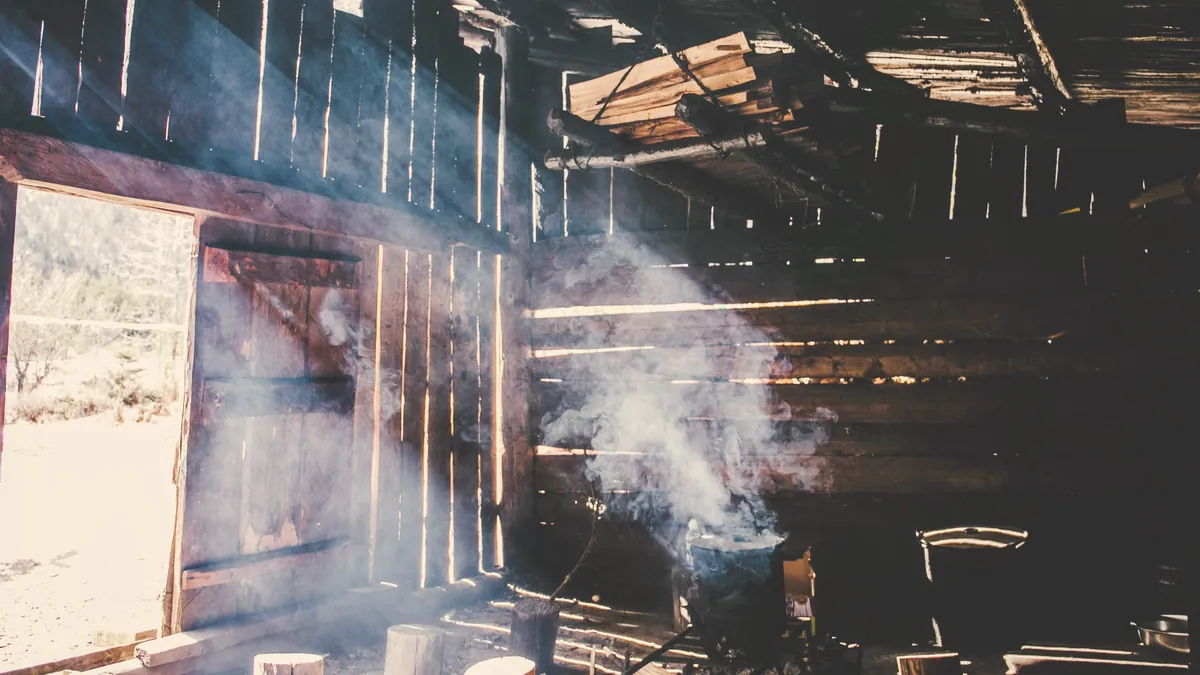
Curing is a winter craft, which means the planning is an autumn job.
Cold smoking and dry curing both want low, steady temperatures held over long periods. That is not a preference; it is the condition under which the process works at all. So the actual work belongs to the cold months — and everything that determines whether those months go well gets decided now, while it is still mild enough to build things and early enough to source what you need.
Every September I write the same page: what am I making, where is it hanging, and what do I need to have in hand before it is cold.
Four decisions to make now
1. What are you actually making? Be specific. “Some bacon and something dry-cured” is not a plan; it is a shopping trip that will go wrong. A list of specific items with rough quantities is what tells you how much space, salt, and time you need.
2. Where will it hang? This is the constraint everyone underestimates. Dry curing needs somewhere cool with stable temperature and humidity and steady airflow, for weeks — an unheated room, a cellar, a purpose-built chamber, a converted fridge. Whatever it is, decide now and test it now, empty, with a thermometer and hygrometer in it. Finding out in December that the room swings ten degrees when the wind is in the east is finding out too late.
3. Where is the meat coming from? If it is your own, that is a schedule question with a date attached. If you are buying, September is when to talk to a butcher or a farm about a specific cut for a specific month, not December when everyone else has had the same idea.
4. What kit is missing? Salt in quantity, cure ingredients, hooks, netting, a scale that reads accurately in small increments, thermometer, hygrometer. All boring, all cheap, all a problem when discovered at the start rather than before.
What curing is measured in
Weight. That is the thing to understand before starting, because it shapes the record.
Dry-cured products are assessed by how much weight they have lost from their starting weight over time. That means a green weight recorded at the start, a scale you trust, and weights at intervals. Without the starting number there is no way to know where a piece is in its process — you are guessing from the outside of something whose inside is the point.
So the record is not optional bookkeeping here in the way it is elsewhere. It is the instrument.
Per piece
- What it is, where it came from, and the green weight
- Cure used and the percentages, by weight — never by volume
- Dates in and out of cure, and into the hanging space
- Temperature and humidity where it hangs, logged regularly
- Weights at intervals, with the loss calculated
- Smoking sessions: wood, duration, temperature
Where this article stops
Deliberately, and firmly: everything above is planning, space and record-keeping. Nothing here is a method, a cure formula, or a safety guideline, and it should not be read as one.
Curing meat is the one preservation craft where getting the specifics wrong carries real risk, and the specifics — curing salt types and rates, safe temperature and humidity ranges, times, and what is and is not safe to make at home — belong to properly tested sources. Use the USDA’s National Center for Home Food Preservation and established, tested references, and follow them precisely rather than adapting.
A meticulous record makes you a better and safer curer, because you know exactly what you did and can repeat or diagnose it. It does not substitute for a tested method, and no amount of good note-keeping makes an improvised cure sound.
Smoke & Salt is ruled for the record side of this — green weights, cure percentages, the environment log and the weight-loss column that tells you where a piece actually is.
This month
Do the empty-room test. Thermometer and hygrometer in the space you intend to use, a reading a day, for a fortnight.
Everything else on the list can be bought in a hurry. The space either works or it doesn’t, and September is when there is still time to do something about the answer.
— Hadley
Common questions
- Why is curing done in cold weather?
- Cold smoking and dry curing both need low, steady temperatures over long periods. Warm weather pushes the process out of the range where it works, which is why the traditional season runs from late autumn through winter.
- What temperature is cold smoking done at?
- Cold smoking is generally done below about 85°F so the food is flavoured rather than cooked, though exact figures depend on what you are making. Ambient temperature is the limiting factor, which is what makes it a winter craft.
- What records matter for curing?
- Weights before and after, salt percentages, temperature and humidity, and dates at every stage. Curing is measured by weight loss over time, so without the numbers you cannot tell where a batch is.
Why Homestead Gifts Get Ordered in October
The good presents for people who keep land get bought early — useful things sell out and personal ones take time. A calm October list.
Read the article →
The Five Phases of a Working Homestead (and Why They Loop)
Prepare, Grow, Raise, Process, Steward — the five phases every homestead moves through, why order matters, and how phase five feeds phase one.
Read the article →
The Repair Afternoon: Fixing What Spring Broke
Every spring breaks things you worked around instead of fixing. One afternoon in June: walk first, fix in order, and put the salvage pile to work.
Read the article →