The Five Phases of a Working Homestead (and Why They Loop)
Prepare, Grow, Raise, Process, Steward — the five phases every homestead moves through, why order matters, and how phase five feeds phase one.
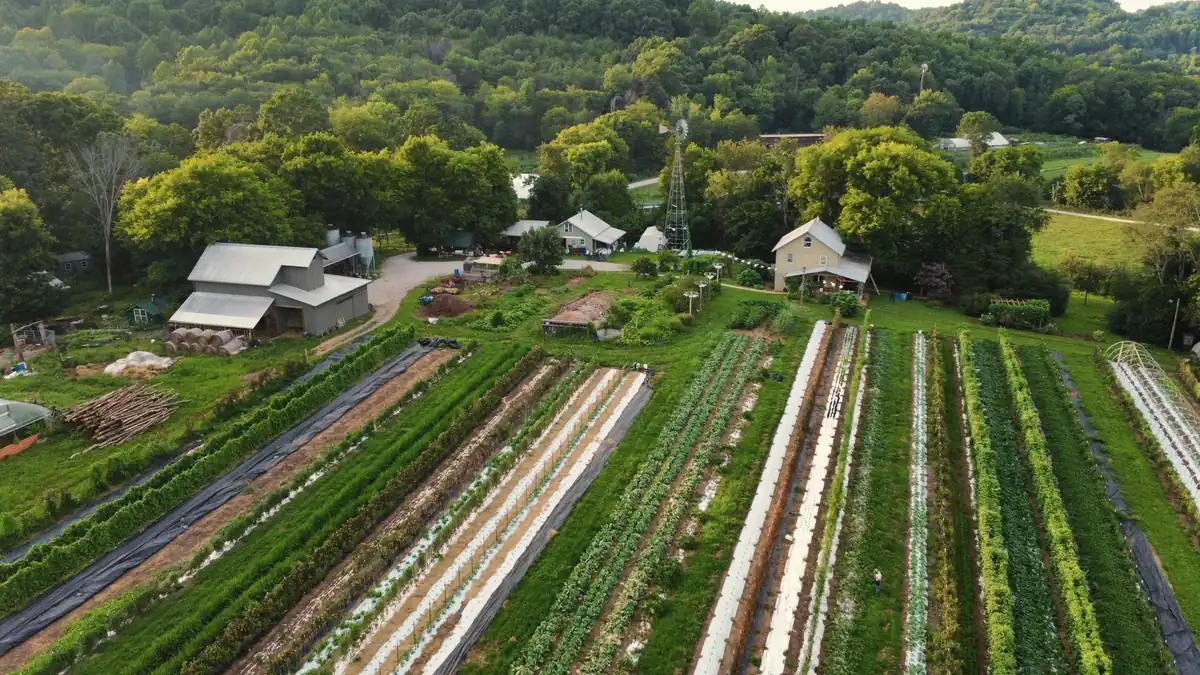
Ask ten homesteaders what went wrong in year one and you’ll hear the same story in ten costumes: they did everything at once. Chicks in the brooder before the coop had a roof. A pressure canner before the garden produced anything to can. Three raised beds on soil nobody tested, watered by hose-dragging that lasted exactly one heat wave.
The land didn’t fail them. The sequence did.
The loop
Every working homestead — quarter-acre balcony operation or forty acres — moves through the same five phases. Not five projects: five phases, in order, each one feeding the next.
Phase 1 — Prepare the Land. Soil, carbon, water. The season of foundations: test before you amend, build the compost engine, map water in winter. Nothing here shows a yield this week; everything here decides every yield after.
Phase 2 — Grow the Green. First harvests at every scale — microgreens on the counter, beds on the balcony, herbs by the door. The phase where records start paying rent: date every sowing, weigh every yield.
Phase 3 — Raise the Flock. Animals arrive, and with them a new kind of bookkeeping — hatch dates, hive inspections, weights, bloodlines. Genetics become data. A ledger kept by the coop outlasts any memory.
Phase 4 — Process the Harvest. The work of keeping: ferment, cure, extract, smoke. Ruled by curves and equilibria, where a missed weight or a warm afternoon changes everything — and where a written batch becomes a repeatable one.
Phase 5 — Steward the Loop. The system runs; now you close it. Pantry stocked and counted, inputs metered, scraps fed back to the soil. And here’s the design: phase five’s outputs — compost, ash, bones, plans — are phase one’s inputs. The loop closes. Bare soil to zero waste, and around again, better each pass.
Order is the whole secret
You can start anywhere — plenty of keepers enter through chickens or through canning. But you can’t skip backwards for free. Animals on land with no feed system (phase 3 before 2) means buying every calorie. Preserving without production (4 before 2) means canning store produce at a loss. Growing on unprepared soil (2 before 1) means feeding plants instead of ground, forever.
Knowing your phase tells you what to do — and more usefully, what not to do yet. That’s the discipline nobody sells you: permission to not do everything this year.
One ledger per phase
The Steading Codex is this loop, printed: fifteen field journals, three per phase, each one a working ledger for one corner of the system. Not how-to books — the how-to is everywhere and free. Structured places to write down what your land does, which is the one book nobody can write but you.
Where are you in the loop? The quiz takes about sixty seconds and points you to your phase — and I’ll send you that phase’s one-page field sheet, free, to start today. Each phase’s three journals come as a $19.99 digital set when you’re ready for the full ledger.
The loop is patient. It just asks you to enter it in order.
— Hadley

Why Homestead Gifts Get Ordered in October
The good presents for people who keep land get bought early — useful things sell out and personal ones take time. A calm October list.
Read the article →
Planning the Curing Season Before It's Cold
Curing and cold smoking need cool, steady weather — which means the decisions get made in September and the work happens later. What to settle now.
Read the article →
The Repair Afternoon: Fixing What Spring Broke
Every spring breaks things you worked around instead of fixing. One afternoon in June: walk first, fix in order, and put the salvage pile to work.
Read the article →