Why Your Homestead Needs a Paper Ledger (Not Another App)
Apps die, batteries die, subscriptions lapse. A paper field journal survives rain, mud, and a decade on the shelf. Here's why working homesteads still run on ink.
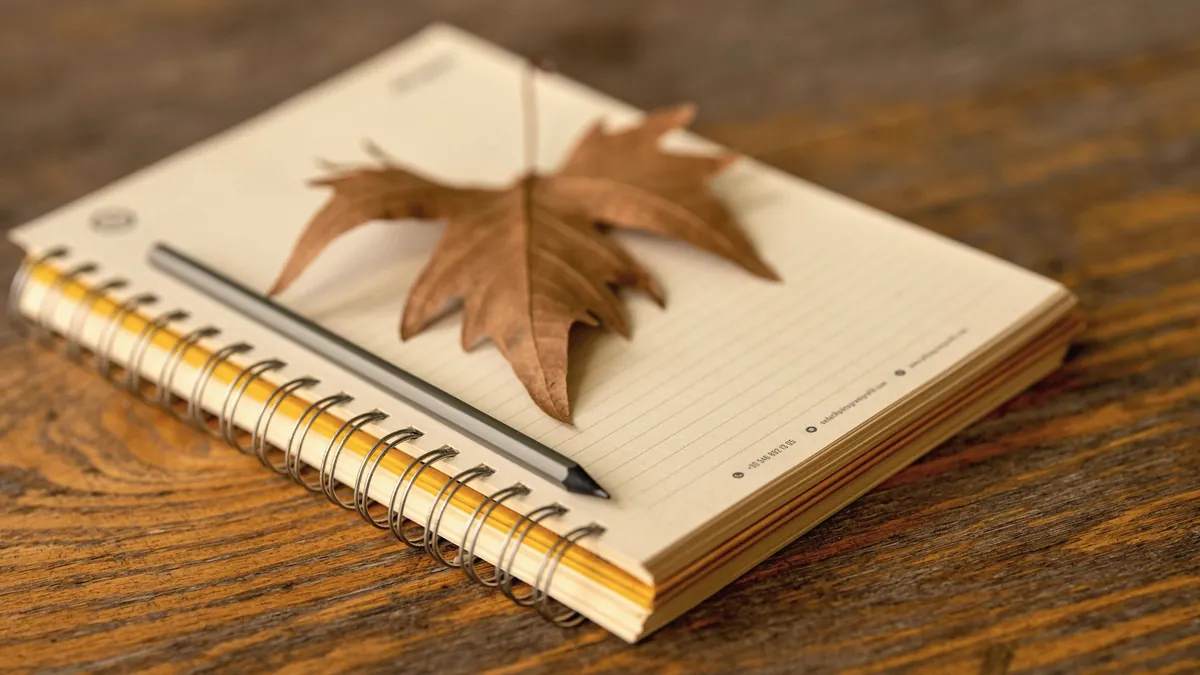
Three years ago I watched a neighbor lose four seasons of garden records in one afternoon. Not to fire, not to flood — to an app that “sunset its free tier.” The export button gave her a spreadsheet with half the columns missing. Four years of first frosts, seed sources, and yield notes, gone into a CSV that wouldn’t open right.
Her grandmother’s garden diary from 1974 is still on the shelf, still legible, still useful.
That’s the whole argument, really. But let me make it properly.
The barn test
A record-keeping system for a working homestead has to pass what I call the barn test: can you use it with wet hands, in bad light, wearing gloves, while something nearby is trying to escape?
A phone fails the barn test daily. The screen doesn’t want your muddy thumb. The glare eats the display at noon. The battery dies exactly when the vet is asking you when the doe last kindled. And the app — the app wants you to log in again, update to continue, watch one short ad.
Paper doesn’t care. Paper works at -10 and at 100 degrees. A pencil writes upside down, in drizzle, with your off hand. You can clip a field sheet to the coop door and it will still be there in October, faded but readable, like it’s proud of the season it survived.
Memory is a liar with good intentions
Every keeper believes they’ll remember. Which bed had the blight. Which hive went queenless in June. What week the pantry ran out of diced tomatoes, so you’d know to can more this year.
You won’t. I won’t. Nobody does past about six weeks — the research on memory decay is brutal, but you don’t need research: try recalling exactly what you planted on this date two years ago. The homesteads that improve year over year aren’t run by people with better memories. They’re run by people whose notebooks remember for them.
An app remembers too, technically. But the friction is different. Opening an app is a decision: unlock, find the icon, wait, navigate, type on glass. Writing in a journal that already lives on the potting bench is not a decision. It’s a reflex you build in a week. Systems that survive are the ones with the fewest decisions in them.
What a real ledger looks like
A blank notebook is almost as bad as an app — blank pages ask you to invent a structure every single day, and by August the entries have collapsed into “planted stuff, hot.”
What works is a structured log: columns already named, units already chosen, one row per event. Date. Bed or zone. What you did. What you measured. What to check next. When the structure is printed on the page, the writing takes forty seconds, and forty-second habits are the only ones that last through harvest season.
That’s the entire design philosophy behind the Codex journals — they’re ledgers, not diaries. Nobody needs another notebook that asks how gardening made you feel. You need the row that tells you next March what actually worked.
The honest case for apps (and where they lose)
Fairness where due: apps sort, search, and chart. If you run a market garden with 200 beds and a payroll, run software — and a paper field log beside it, because the software is only as good as what gets entered, and the barn test decides what gets entered.
For a household homestead, the math is simpler. The failure mode of paper is that it gets wet (laminate the cover, keep writing). The failure mode of an app is that it disappears — the company pivots, the subscription lapses, the phone upgrade eats the data. Your land is a 30-year project. Choose record-keeping with a 30-year lifespan.
Start with one page
Don’t buy anything today. Take one sheet of paper, rule five columns — date, place, action, reading, next check — and clip it where the work happens. Use it for a week.
If the habit takes, you’ll want a real ledger with a year’s worth of structure in it. That’s what the fifteen Codex volumes are: one working ledger per corner of the homestead, from soil to pantry, five phases, one closed loop. Start with the phase you’re actually in — the two-minute quiz will point you to it.
The books are the work. The work deserves better than an app store.
— Hadley
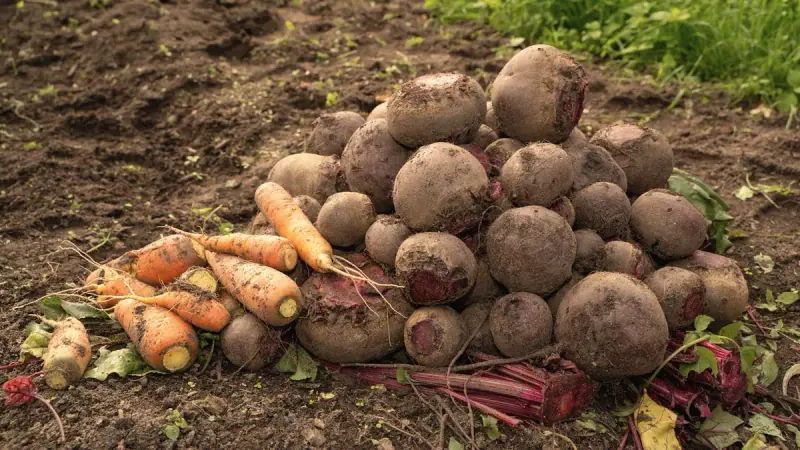
What I Actually Write Down Every September
One keeper's September logging day: the eight things worth recording before the season closes, and why most of them are failures.
Read the article →
What a 104-Page Field Journal Actually Looks Like Inside
Not a diary, not a planner — a working ledger. A page-by-page tour of what's inside a Steading Codex field journal and why it's built that way.
Read the article →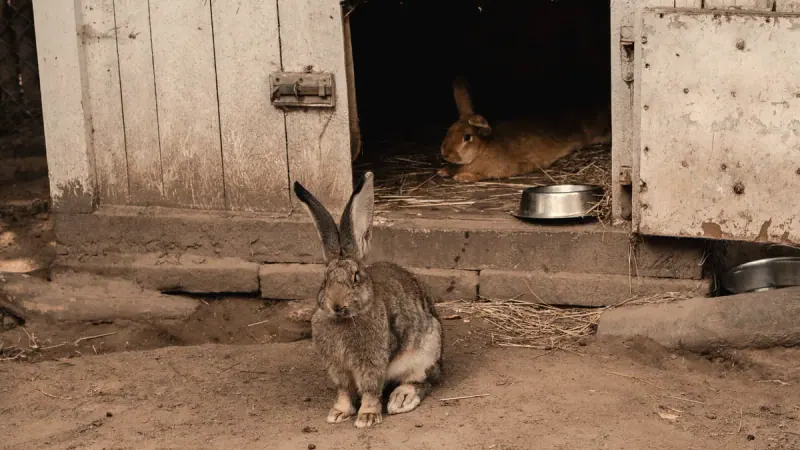
The Spring Kindling Schedule, Written Down
A rabbitry runs on dates: bred, palpated, nest box in, kindled, weaned. Keep them on paper and the year plans itself; keep them in your head and it doesn't.
Read the article →