Free Printable: The Sowing & Harvest Log (One Page, Whole Season)
A free printable sowing and harvest log — date every sowing, weigh every yield, let each tray teach the next. One page from the Grow the Green field sheet.
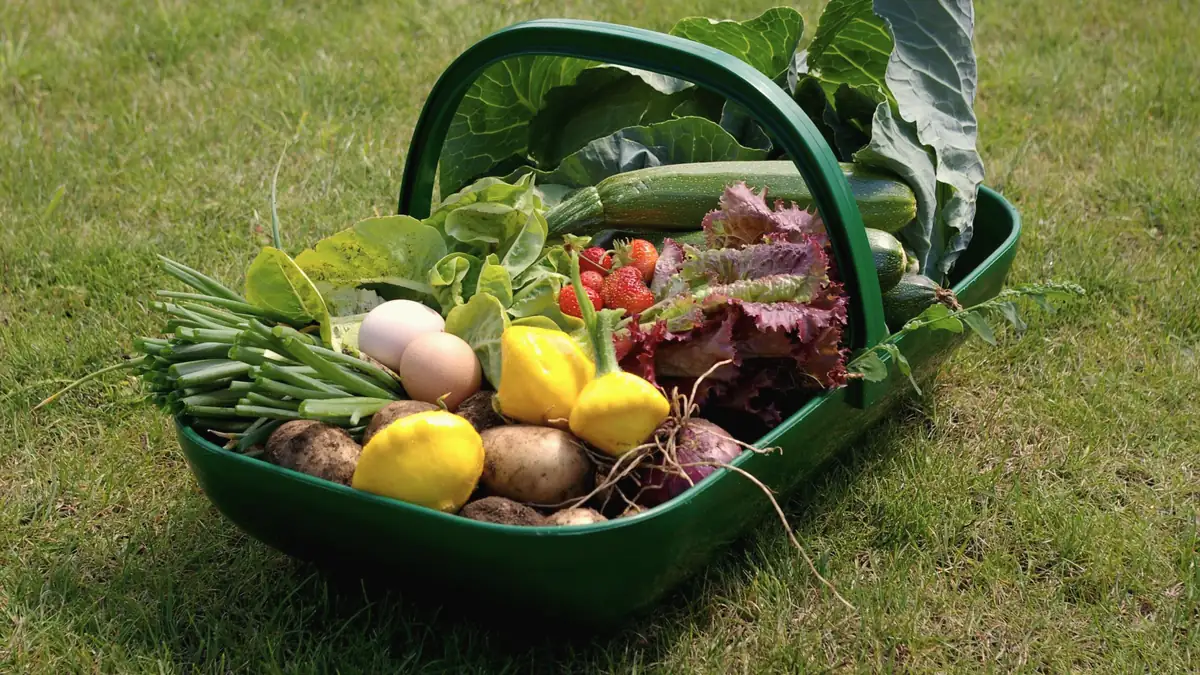
The difference between a gardener who gets better every year and one who replays the same mistakes is embarrassingly small: one dated line per sowing.
Not a diary. Not an app. A log line: sown 7/28, Genovese basil, tray 3, expect harvest ~8/22, actual —, yield —, notes —. Forty seconds. That line is worthless today and priceless in forty days, when you’re deciding whether that variety earned its tray space or whether the seed was old and slow from the start.
Why days-to-harvest is your only honest clock
Seed packets print days-to-harvest numbers measured somewhere with better weather than yours. Your balcony, your soil, your light — your numbers are different, and nobody can tell you what they are except your own records.
Date every sowing and the log builds your private almanac: basil takes 26 days on the south sill in July but 31 in September; the cheap lettuce seed germinates at 60% while the good one hits 95 and is therefore cheaper per plant. Two months of lines and you’ll never buy or sow on guesswork again.
Weigh the yield, not the effort
The second column that changes everything: grams out. Hang a $10 kitchen scale by the harvest basket. Microgreens, herbs, balcony tomatoes — weigh and write.
It feels fussy for exactly one week. Then the log starts talking: tray 2 out-yields tray 3 by a third every cycle (it’s the one nearer the window — move the rack); the “productive” cherry tomato produced 400g of drama all July while the boring one quietly gave 2kg. Effort lies. Enthusiasm lies. The scale doesn’t.
Get the sheet
I’ve put the one-page Sowing & Harvest Log — the same field sheet that ships with the Grow the Green phase — up as a free download. US Letter, black-and-white friendly, made to be printed five times and clipped wherever the trays live.
Download the field sheet — free →
Print it, rule your first line today, and succession-sow something while you’re at it: a tray every ten days beats one big planting every time, and the log will prove that too.
When one page isn’t enough
The sheet is one page of a system. Vertex Green (soil-free and light-fed growing), Balcony Bloom (containers, sun-mapping, season plans) and Herb Helix (leaf to harvest to jar) are the three full ledgers of the Grow phase — 104 pages each of the same discipline, structured so the habit survives a whole season. The digital set of all three is $19.99, and if you’re new here, code WELCOME5 takes 5% off orders over $30.
But the sheet first. It’s free, and it’s honestly most of the lesson.
— Hadley
Seed Saving and the Inventory You Do in October
Saving seed is the easy half. Knowing what you have, and whether it will still come up, is what decides next spring's order.
Read the article →
How to Find Your Real Last Frost Date
The zone chart describes a region; your ground has its own date, often weeks off. How to find yours in two seasons of notes, and what to do until you have them.
Read the article →
The Winter Storm Kit Checklist (and the Three Things That Expired Since Last Year)
A winter kit built once is a kit that quietly goes stale. The checklist for a house kit, a car kit and a power-out box — and the three items that are almost always expired by now.
Read the article →