Biochar 101: From Burn Pile to Living Soil
What biochar actually is, why raw char can backfire, and the charge-then-bury protocol that turns a burn pile into a decade of soil improvement.
Every homestead has a burn pile. Very few homesteads know that the burn pile, handled slightly differently, becomes the single longest-lasting soil amendment there is — carbon that keeps working in your beds for decades, holding water and housing microbes long after this year’s compost has been eaten and forgotten.
That’s biochar. Here’s the honest version of how it works, including the mistake almost everyone makes the first time.
What it is (60 seconds of theory)
Burn wood in open air and you get ash — minerals, no structure. But char wood with restricted air — pyrolysis — and the volatiles burn off while the carbon skeleton of the wood survives. Under a microscope that skeleton is a sponge: a gram of good char has internal surface area measured in football fields. Those galleries hold water in drought, hold nutrients against rain, and shelter the bacteria and fungi that make soil alive.
Amazon basin farmers were doing this centuries ago; the terra preta they built is still darker and more fertile than the ground beside it. The chemistry is old. Only the name is trendy.
The mistake: raw char steals lunch
Fresh char is an empty sponge. Dig it straight into a bed and it soaks up the nitrogen and nutrients that were meant for your plants — gardeners try “biochar” once, watch the bed sulk for a season, and swear it off.
Char has to be charged first: soaked in nutrients until the sponge is full. Two weeks in a barrel with compost tea, diluted urine (the old way, and the effective way), or fish emulsion. Or simpler: layer it into the compost pile for a full cycle and let the pile charge it while it cures.
Charged char goes in the ground full, and gives instead of takes.
A first batch, the low-tech way
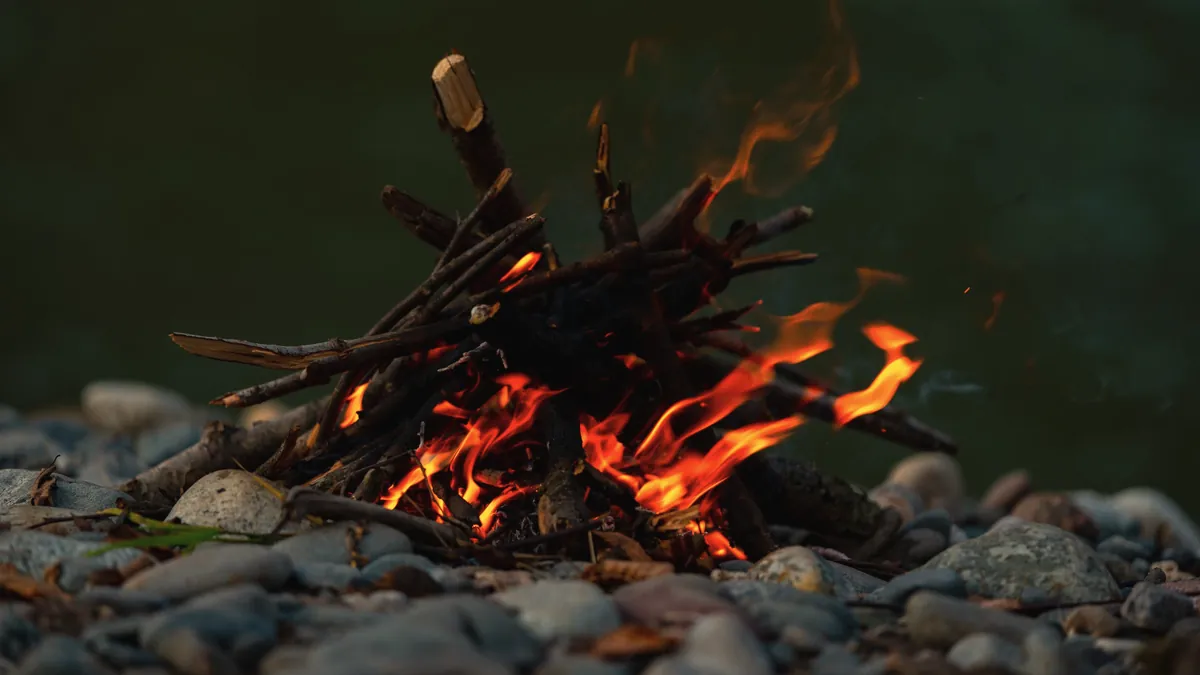
No retort kiln needed for a trial. The cone pit method: a shallow, cone-shaped pit; start a small hot fire at the bottom; keep laying new wood on top just as the layer below whitens with ash. The flame cap burns the smoke; the layers below cook in low oxygen. When the pit is full of glowing char, quench hard with water (or snuff with soil). You’ll get a pit of black, ringing-crisp char — crush it to gravel size, then charge it.
Brush, prunings, storm-fall — the woodier and drier, the better. Never painted or treated wood, obviously.
Why this is a ledger crop
Biochar is the slowest experiment on the homestead — which is exactly why it rewards writing things down. The batch you make this month shows its real results over years: water retention this drought vs. last, worm counts, how the amended half of the bed pulls ahead of the control half.
Run it like a trial: batch date, feedstock, method, charge protocol, where it went in, and a 6-month soil check. That’s one page per batch — and it’s precisely the page structure inside The Biochar Index, the Codex volume built for pyrolysis batches and the slow chemistry that follows. Phase 1 work: none of it shows a yield this week, and it decides every yield after.
Start with one pit, one bed, half amended, half not. Write it down. Next summer the soil will hand you the conclusion.
— Hadley
What a Balcony Can Actually Feed You
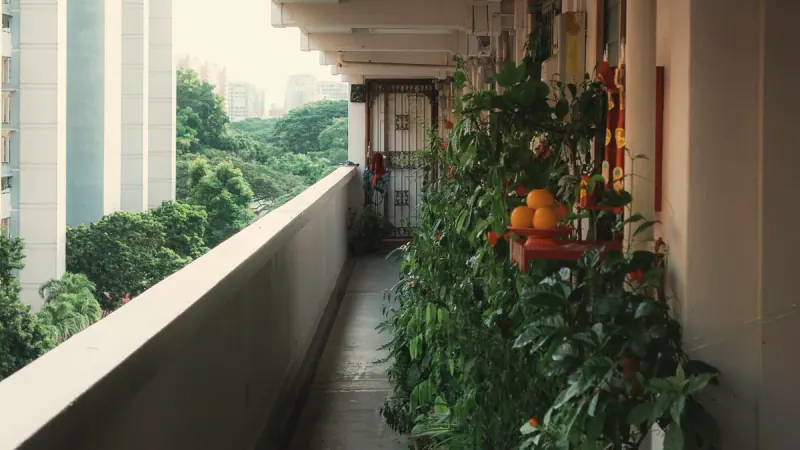
Container growing fails on honest arithmetic, not skill. The two numbers that decide what a small space produces, and which crops repay the pot.
Read the article →
The Winter Storm Kit Checklist (and the Three Things That Expired Since Last Year)
A winter kit built once is a kit that quietly goes stale. The checklist for a house kit, a car kit and a power-out box — and the three items that are almost always expired by now.
Read the article →
Seed Saving and the Inventory You Do in October
Saving seed is the easy half. Knowing what you have, and whether it will still come up, is what decides next spring's order.
Read the article →