The Fall Cleanup That Feeds Next Year's Compost
Most autumn cleanup throws away the year's best compost. How to sort beds into browns, greens and burn-pile while you clear them.
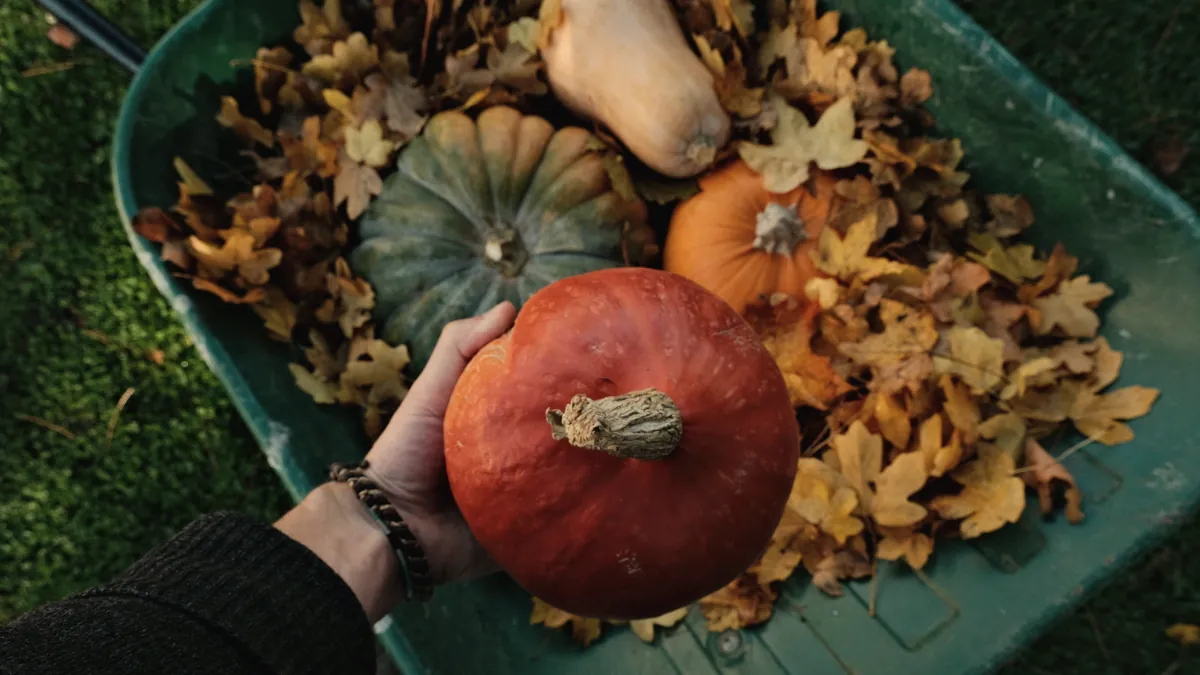
There is a version of fall cleanup that ends with a tidy garden and six contractor bags at the curb. It takes a weekend, it looks wonderful, and it is the single most expensive habit on a small homestead.
Everything in those bags is next year’s compost. You grew it. You watered it all summer. And autumn is the only week of the year when browns and greens show up in roughly the proportion a pile actually wants — dry stalks and falling leaves arriving at the same moment as the spent, sappy vines. In June you are hunting for browns. In October they are falling on your head.
The trick is not doing more work. It is sorting while you are already bent over.
Three piles, made as you clear
Take three things into the garden: a tarp, a bin or barrow, and a spot for the small amount that genuinely has to leave. Then clear one bed at a time and put every handful into one of three destinations rather than one bag.
Browns — the tarp. Dry corn and sunflower stalks, spent bean vines gone papery, the year’s straw mulch, and every leaf you can rake. This is the carbon you will be short of by February. Stalks want to be chopped or run over with a mower; whole stalks in a pile are still whole stalks in a pile two years later.
Greens — the barrow. Anything still soft and damp: healthy tomato and squash vines, cover-crop tops, weeds that have not set seed, the last of the lettuce gone bitter. These are your nitrogen, and they are perishable — they want to be in the pile this week, not next month.
Out — the small pile. Diseased material, anything visibly mildewed or blighted, perennial weed roots, and weeds carrying mature seed heads. This is the pile people make far too big out of caution. It should be genuinely small.
Cut, don’t pull
For anything healthy, cut the plant off at soil level and leave the roots where they are.
The root mass rots in place over winter. It feeds the soil life exactly where that life already is, it leaves channels behind that water and next year’s roots will use, and it holds the bed’s structure together through the freeze and thaw. Pulling a tomato plant up by the roots undoes a season of underground work in one satisfying tug.
The exceptions are honest ones: pull where you need bare ground for a fall planting, and pull whole where the plant was diseased and the point is removal.
Build the pile once, properly
Autumn is the one time of year when you can build a full pile in an afternoon instead of adding to it in dribs for months — and a pile built all at once is the kind that actually heats.
Rough proportions, by volume: two to three parts brown to one part green. Layer them rather than dumping — a hand’s depth of browns, a scatter of greens, repeat — and wet each layer as you go if the material is dry. It should end up as damp as a wrung-out sponge, not soaking.
Then leave it. A pile built in early October with the season’s actual material will be warm within days, will work through the fall, will sit dormant when the cold sets in, and will be usable by late spring. You are not composting for this year. You are stocking a bank.
The three lines worth writing down
This takes ninety seconds and it is the part that compounds.
One entry, the day you build the pile
- Date built, and roughly what went in — “3 barrows leaves, 1 barrow tomato/squash vines, straw mulch from beds 1–4”
- Which beds were cleared, and what came out of each — including anything that went on the diseased pile, and from where
- What you ran short of — browns or greens — because that is next year’s plan, written by this year’s evidence
That third line is the one that changes things. Every keeper I know discovers, in year two of writing it down, that they are chronically short of one or the other — and then plants accordingly, or starts hoarding the neighbour’s leaves in October instead of buying straw in June.
The disease note matters too. “Bed 3, squash, mildew, second year running” is a sentence you will be grateful for next spring when you are deciding what goes where.
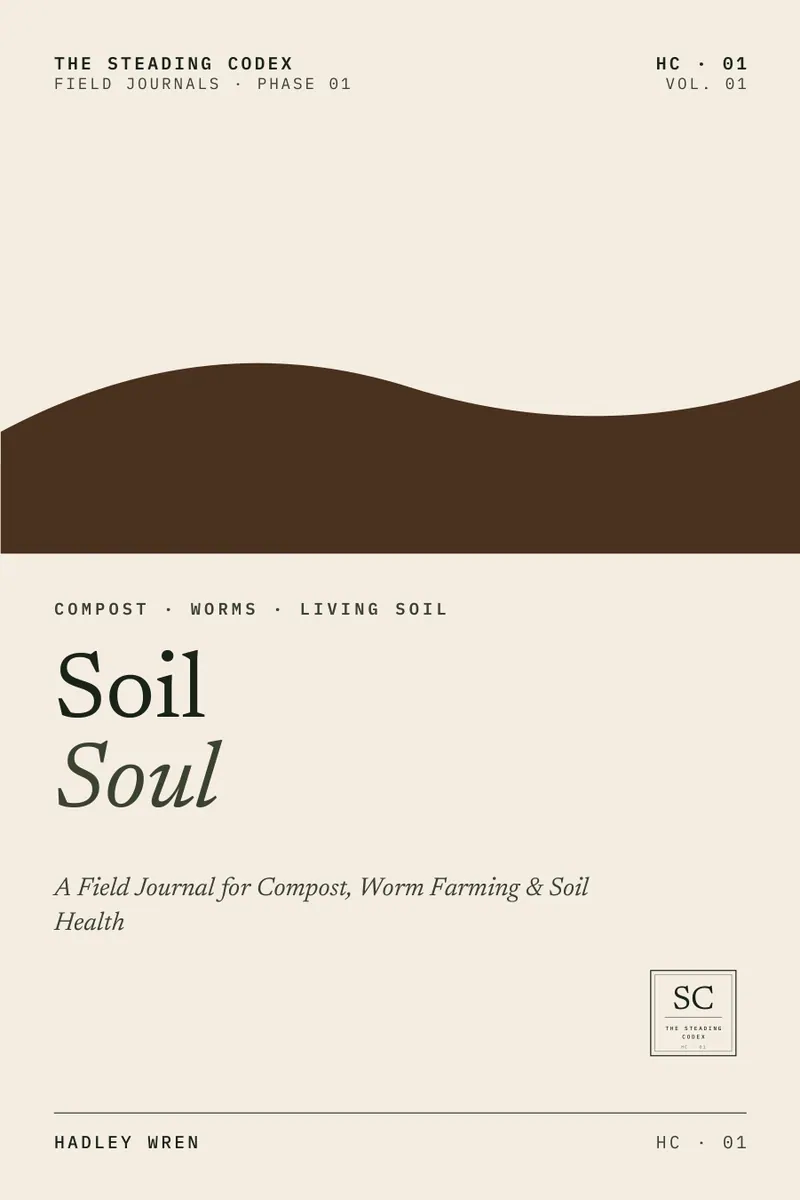
Soil Soul is built for exactly this — pile logs with materials, temperature and turn dates, plus the bed-by-bed audit pages where the disease notes live. Or start with the free Foundation Log, a single printable page that covers the pile.
While the light lasts
Autumn cleanup has a deadline that summer chores don’t. Leaves must be gathered before they mat and blow, greens must go in while they are still green, and the pile wants building while there is enough warmth left to start it moving.
Do the sorting version this year. It costs one tarp and no extra time, and in April you will be spreading finished compost that you would otherwise have driven to the dump.
— Hadley
Common questions
- Should I pull my plants or cut them at the base in the fall?
- Cut at the base for anything healthy. The roots decay in place and leave channels and organic matter behind. Pull whole only where you need the ground clear, or where the plant was diseased and you are removing it entirely.
- Can I compost tomato and squash vines?
- Healthy vines, yes — they are bulky greens and want chopping first. Vines showing blight or mildew are the ones most keepers keep out of a cool home pile, because a backyard heap rarely runs hot enough or long enough to be relied on.
- What is the ideal ratio of browns to greens in a fall pile?
- Most keepers work around 2 to 3 parts brown by volume to 1 part green. Autumn is the one season you can hit it easily, because the leaves and the spent plants arrive in the same fortnight.
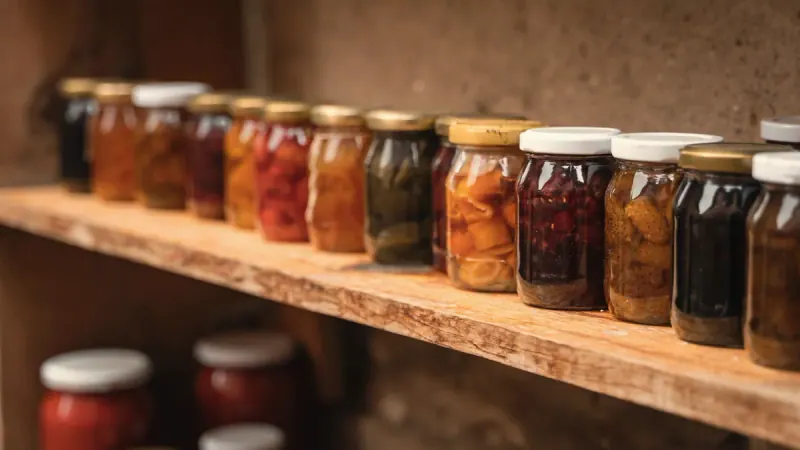
The Pre-Winter Pantry Count (Do It Before You Need It)
An inventory taken in October is true; one taken in January is done by lamplight and wrong. How to count a pantry, and the four numbers.
Read the article →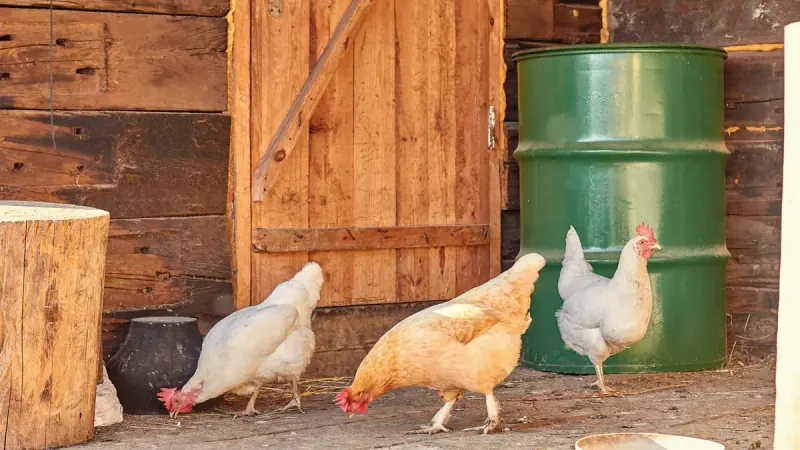
Getting Chickens Ready for Winter: Molt, Light, Records
September is molt season — the worst time to make winter decisions from memory. What molt looks like, the real pre-winter jobs, and the light question.
Read the article →
When to Make Sauerkraut: The September Window
Late cabbage ferments differently: colder rooms, denser heads, slower crocks. How to read the September window, start to finish.
Read the article →