Getting Chickens Ready for Winter: Molt, Light, Records
September is molt season — the worst time to make winter decisions from memory. What molt looks like, the real pre-winter jobs, and the light question.
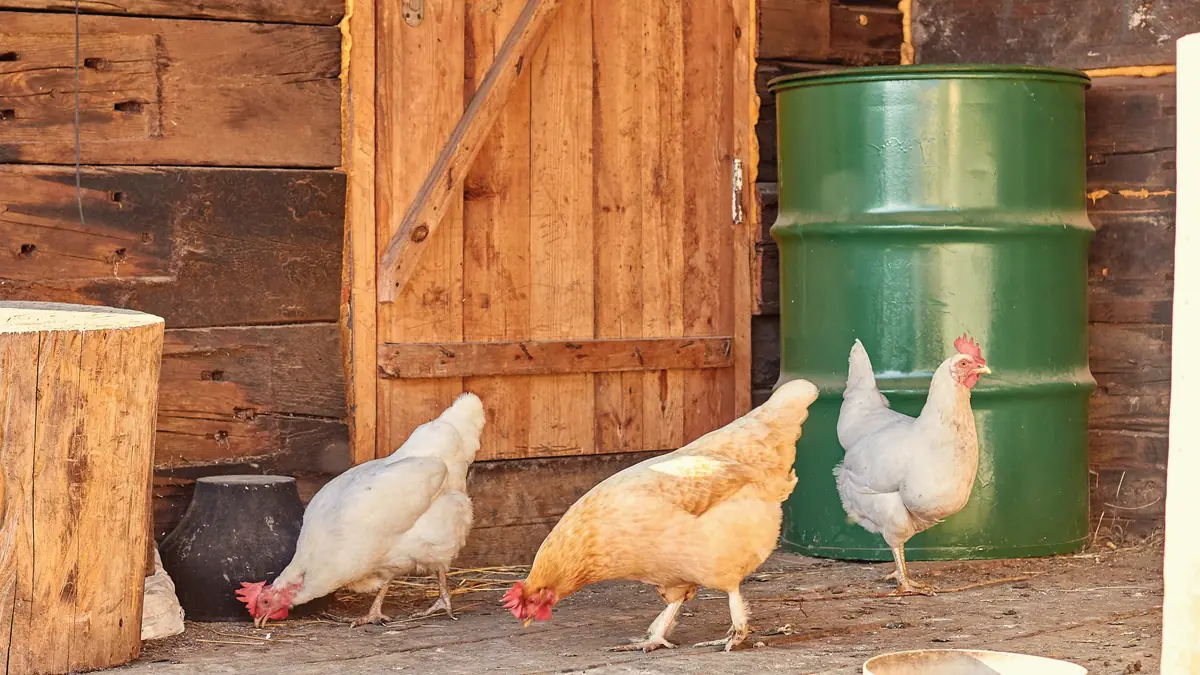
Every September the same thing happens, and every September somebody on every homestead says the same sentence: “Something’s wrong with the chickens.”
Nothing is wrong with the chickens. They look terrible because they are supposed to. It is molt — the annual feather replacement — and it arrives at the same moment the days get short, so the birds simultaneously look ragged and stop laying. It is alarming the first time and routine every time after.
The problem is that molt lands in exactly the weeks when you need to make winter decisions: who stays, whether you light the coop, how much feed to lay in. And a molting flock is the worst possible evidence, because right now every bird looks unproductive.
That is what the records are for.
What molt actually looks like
Feathers everywhere. Bald patches at the neck and back. Birds who look half-plucked and stand about miserably. Laying drops off or stops entirely, because a hen cannot build feathers and eggs at once — feathers are mostly protein, and they win.
Duration varies more than most keepers expect: some birds are through in four weeks, others take three months. And that difference is itself information. A hen who molts hard and fast and gets back to laying is generally your better bird. A hen who takes the whole autumn off, every year, is telling you something you should be writing down rather than re-noticing each September.
The actual pre-winter jobs
Four things, and none of them is a heater.
1. Ventilation, not warmth. This is the one that gets backwards. A sealed coop is a wet coop, and damp air is what causes frostbite and respiratory trouble — not cold air. You want air moving out high above the birds’ heads, with no draft blowing across the roost itself. Cold and dry beats warm and damp every time.
2. The roost and the draft line. Stand where the birds stand at night. Feel for moving air at roost height. Block drafts at that level; leave the high vents alone.
3. Water that will not freeze, and a plan for when it does. Decide now — heated base, rubber pans you can knock the ice out of, twice-daily hauling. Deciding this in the first hard freeze at dusk is how people end up with cracked waterers.
4. Bedding depth and the winter routine. Whether you run deep litter or clean out weekly, set the plan before the ground freezes and note which you are doing. Deep litter started in October behaves quite differently from deep litter started in December.
The light decision, honestly
Supplemental light keeps hens laying through the short days. Leaving the coop dark gives them a natural rest.
Both are defensible. Keepers who add light generally want winter eggs and accept the trade; keepers who don’t generally prefer to let the birds rest and take the eggless months. There is no version of this article where I tell you which one is correct for your flock, because it depends on what you want the flock to be.
What I will say is this: whichever you pick, write it down, with dates. “Light on a timer from Oct 15, 5–7 a.m.” is the note that lets you compare this winter to last winter. Without it, you have two winters of vague impressions and no way to tell them apart.
What not to do
Two things worth resisting, both well-intentioned.
Do not push a molting bird back into lay. The pause is the point — she is rebuilding a full coat of feathers, and that coat is what gets her through the winter. Extra light or extra pressure during heavy molt buys you a few eggs at the cost of the insulation she is about to need.
Do not seal the coop. This is the instinct every keeper has at the first cold snap and it is the one that causes actual harm. Birds generate a surprising amount of moisture overnight; with nowhere for it to go it condenses, the bedding goes damp, and damp is what turns cold into frostbite. If the inside of the windows streams in the morning, the coop is too tight, not too cold.
The five lines, per bird or per flock
Before the cold, once
- Who is molting, and the date you first noticed — the fast molters are your keepers
- Age of each bird, or of each group if you keep them in cohorts
- Laying performance across the year just finished, even roughly — “good all summer”, “erratic since June”
- Feed change dates: what you switched to, when, and when you switched back
- The light decision, with the date and the schedule if you used one
Then one line a week through the winter: eggs collected, anything odd, anything you fixed. It takes ten seconds and it is what turns next September’s cull decision from a guess into a reading.
Because that decision is coming. Every flock reaches the autumn where you have more birds than the winter feed budget justifies, and the question is which ones. Made from memory in a molting September, you will keep the prettiest. Made from a page, you keep the ones that laid.
Hatch & Hover is ruled for the flock’s whole year — brooding through laying through the molt, with the per-bird pages where this actually lives. The free Flock & Hive Log covers the weekly line if you want to start there.
One more thing
Do the ventilation check this month, before you need it. It is the single job on this list that prevents an actual welfare problem rather than an inconvenience, and it is the one everybody puts off until there is ice on the inside of the window.
The birds will look dreadful for another six weeks. They are fine. Write down who recovers first.
— Hadley
Common questions
- Why did my chickens stop laying in September?
- Most often the annual molt combined with shortening days. Hens divert protein into regrowing feathers and typically pause laying for anywhere from four to twelve weeks. A hen who molts fast and returns to lay is generally the more productive bird.
- Should I add light to the coop in winter?
- It is a genuine trade-off, not a rule. Added light keeps hens laying through the dark months; leaving them dark gives them a natural rest. Whichever you choose, write down what you did — otherwise you cannot compare one winter to the next.
- Do chickens need a heated coop?
- Cold-hardy breeds handle far more cold than most keepers expect. Draft, damp and poor ventilation cause more winter trouble than low temperature does — which is why the ventilation check matters more than a heat source.
The Pre-Winter Pantry Count (Do It Before You Need It)
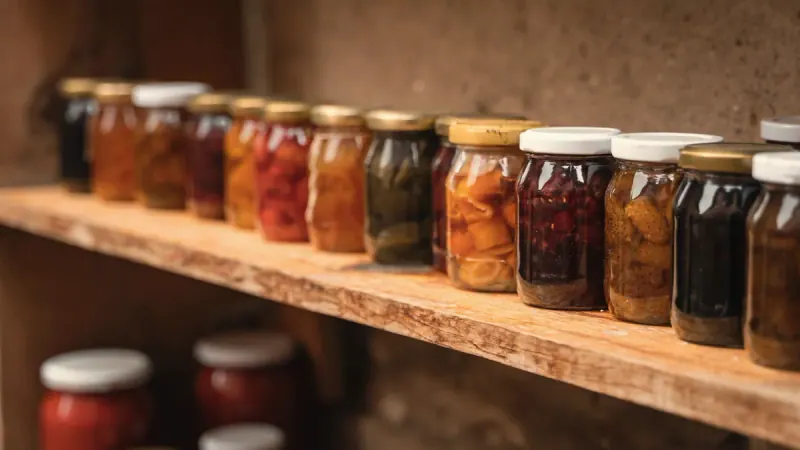
An inventory taken in October is true; one taken in January is done by lamplight and wrong. How to count a pantry, and the four numbers.
Read the article →
The Fall Cleanup That Feeds Next Year's Compost
Most autumn cleanup throws away the year's best compost. How to sort beds into browns, greens and burn-pile while you clear them.
Read the article →
When to Make Sauerkraut: The September Window
Late cabbage ferments differently: colder rooms, denser heads, slower crocks. How to read the September window, start to finish.
Read the article →