The August Hive: Stores, Space and the Wind-Down
August decides a colony's winter. Reading the end of the flow, stores before harvest, and why taking too much is the classic error.
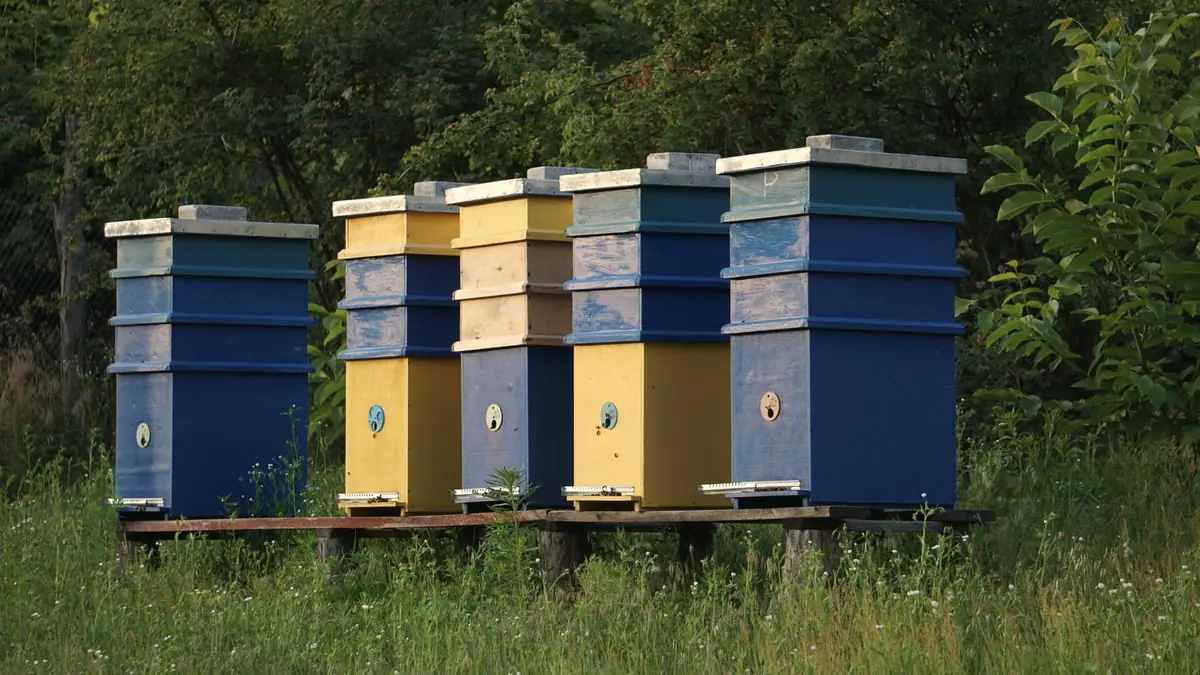
August is when the beekeeping year quietly turns. The flow is ending or over, the colony’s population is at or past its peak, and everything the bees do from here is about getting through winter rather than expanding.
It is also the month in which the single most consequential decision gets made — how much to take — and the one where a colony that looked strong all summer can be set up to fail in February.
Read the flow, not the calendar
The end of the nectar flow is a local event, not a date. Forage varies by a few miles, let alone by region.
The colony tells you first. Incoming nectar drops off. Bees that were placid in June get noticeably shorter-tempered, because less forage means more robbing pressure between hives and a stronger instinct to guard. Comb-building stops. If you have a scale under a hive, the weight stops climbing — and that is the clearest signal there is.
That change in temper catches new keepers out and it is worth expecting. It is not a problem with the colony.
Stores first, harvest second
This is the ordering that matters, and reversing it is the classic August error.
Work out what the colony needs to overwinter — your local association will have a figure for your area and your climate, and it varies far too much for an article to give a number worth trusting. Leave that. What is above it is the harvest.
The instinct runs the other way: take the honey, then think about whether to feed. That works often enough to be tempting and fails badly in the year the autumn is poor, and by the time the shortfall shows the colony has fewer options and so do you.
What else August is for
Space, in reverse. A colony past its peak does not need the room it needed in June, and a large hive with a shrinking population is harder to keep warm and harder to defend. Consolidating down is part of the wind-down.
Robbing pressure. Reduce entrances on smaller or weaker colonies, do not leave supers or wet frames out in the open, and work quickly with the hive closed as much as possible. August is the month when a careless afternoon starts a robbing frenzy.
Queen status. Confirm she is still laying — eggs, again, rather than hunting for her. A colony going into autumn without a laying queen has a serious problem and the window to do anything about it is closing.
Health. Late summer is when many keepers assess and act, but the specifics are regional and change year to year. That belongs with your association and your national or state apiary service, who know what is moving through your area this season — not with an article.
The records that make it arithmetic
Per hive, late summer
- Date the flow ended, judged by incoming nectar or hive weight
- Frames of stores, and where they sit in the hive
- What you took, and the date
- What you left, deliberately — the number that matters most
- Whether you fed, when, and how much
- Queen laying confirmed, and the brood pattern
The pairing across years is what turns this from record-keeping into knowledge. Left this much, fed this much, came through in this condition — three seasons of that and you know what your colonies actually need in your climate, which no book can tell you, because your forage and your winter are yours.
It also settles the harvest argument with yourself, in advance and in writing, rather than on the day with a full super in your hands.
Hive Heartbeat is ruled for the whole year including this — inspection spreads through the season, then the stores, harvest and wintering pages where the August decision lives. The free Brood Inspection Quick-Sheet is the page to take to the hive.
This month
Work out what the colony needs before you decide what you are taking, and write both numbers down.
Then close up quickly, because everything in the neighbourhood is watching for an easy meal now.
— Hadley
Common questions
- How much honey should be left on a hive for winter?
- It varies enormously with climate and colony size, and your local association will have a figure for your area. The general principle is the same everywhere: leave the colony's winter stores first, and treat what is above that as the harvest.
- When does the nectar flow end?
- In most temperate regions somewhere in late summer, though it depends entirely on local forage. The colony tells you before the calendar does — incoming nectar drops and the bees get noticeably more defensive.
- Why are bees more defensive in late summer?
- Less forage means more competition and more robbing pressure between colonies, so a hive that was calm in June guards its stores harder in August.
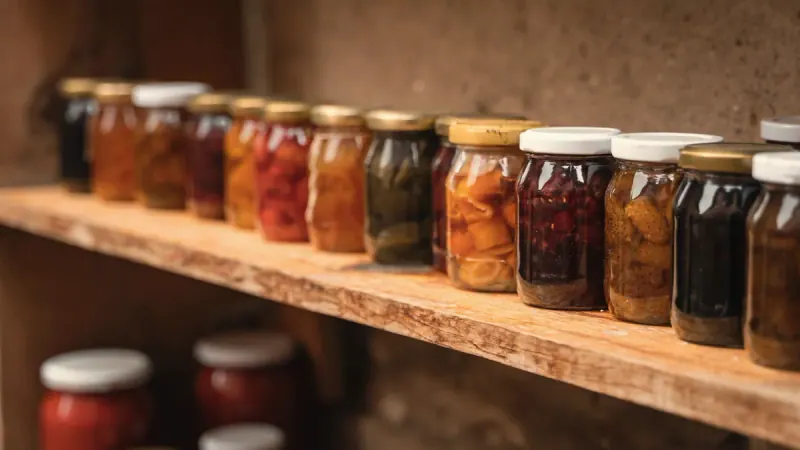
The Pre-Winter Pantry Count (Do It Before You Need It)
An inventory taken in October is true; one taken in January is done by lamplight and wrong. How to count a pantry, and the four numbers.
Read the article →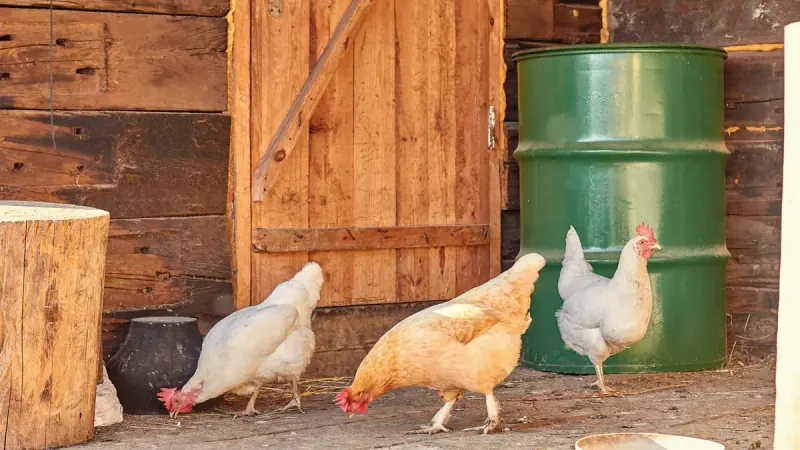
Getting Chickens Ready for Winter: Molt, Light, Records
September is molt season — the worst time to make winter decisions from memory. What molt looks like, the real pre-winter jobs, and the light question.
Read the article →
The Fall Cleanup That Feeds Next Year's Compost
Most autumn cleanup throws away the year's best compost. How to sort beds into browns, greens and burn-pile while you clear them.
Read the article →