Sowing in August for the Second Season
August sowing is counted backwards from first frost, not forwards from today. Working out your window, sowing into summer heat, and what still has time.
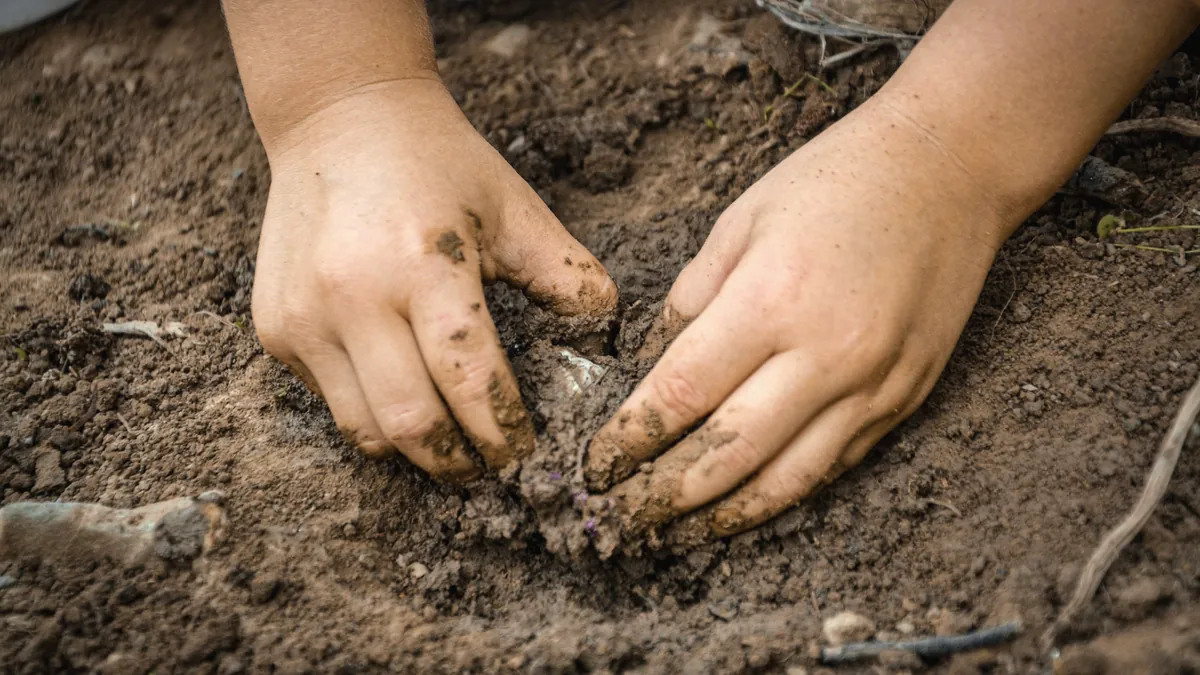
August sowing feels wrong. The garden is at its most full, you are behind on picking, and planting more seed is the last thing the week wants.
But the beds coming empty in August are the ones that can still produce, and the arithmetic that decides what to put in them runs the opposite way from spring. In spring you count forwards from the last frost. In August you count backwards from the first, and it is a different sum with a different answer.
The backwards sum
Three numbers, and the middle one is the one people leave out.
Days to maturity, from the packet.
Plus about ten to fourteen days for the autumn slowdown. Days-to-maturity figures are measured under lengthening spring days. In autumn the light is going the other way and everything runs slower — the same crop takes noticeably longer to finish in September than it did in May.
Plus a week of margin, because a first frost is an average and not a promise.
Add those together, count back from your first frost date, and if the answer is on or after today, there is time. If it is not, choose something faster or accept that it is a cover crop.
Sowing into summer conditions
The other half of August sowing is that the ground is not spring ground. It is hot and often dry, and several cool-season crops germinate badly or not at all above certain soil temperatures.
Three things help, and they are all small:
Sow deeper than you would in spring — a little more soil means a little more moisture and a cooler seedbed.
Shade the row until germination. A board laid directly on the row, checked daily and removed the moment anything appears, is the cheapest and most effective version. A bit of shade cloth or an old sheet on hoops does the same for longer rows.
Water the drill, not the bed. Fill the furrow before sowing and let it drain, so the moisture is where the seed is rather than evaporating off the surface.
What still has time
Roughly, and subject to your own frost date:
Early August. Bush beans, beetroot, carrots for a small autumn crop, chard, and the first of the hardy greens.
Mid to late August. Spinach, lettuce, rocket, Asian greens, turnips, radishes — the fast leafy things that will still bulk up in cooling weather.
Late August into September. Overwintering crops that establish now and finish in spring: garlic goes in later, but the ground it wants can be prepared now, and hardy greens sown late will sit through the cold and start away early.
And where nothing will finish: sow a cover crop rather than leaving bare soil. A bed that spends autumn growing roots is a bed that is better in April than one that spent it weathering.
The record
Per August sowing
- What, which variety, and the date sown
- The cut-off date you calculated, so you can check the sum against reality
- Whether it germinated, and how long it took in the heat
- Whether it actually finished before the frost — the answer to the whole question
That last line is the one that makes next August straightforward. The published maturity figures and the standard fall factor are averages for everywhere; two seasons of your own results give you dates for here. You will almost certainly find that one or two crops are more forgiving than the sum suggested and one is much less.
Vertex Green is ruled for sowing batches through the whole year, which is exactly what a second season needs — the same page format for the August wave as for the March one. The free Sowing & Harvest Log is a printable single page for the same record.
This week
Look at which beds are coming empty in the next fortnight and do the backwards sum for two or three crops before you are standing over a bare bed with a packet in your hand.
Then sow deep, shade the row, and water the drill rather than the bed.
— Hadley
Common questions
- How do I know if there is still time to sow something?
- Count backwards from your first frost date: days to maturity, plus about two weeks for the slowdown as days shorten, plus a week's margin. If that lands before today, there is time.
- What is the 'fall factor' in planting dates?
- Crops grow more slowly in autumn as daylight shortens and temperatures drop, so a packet's days-to-maturity figure — measured in spring conditions — runs short. Most growers add ten to fourteen days.
- What can still be sown in August?
- In most temperate zones: fast leafy crops, radishes, turnips, spinach and quick bush beans early in the month, with hardy greens and overwintering crops as it goes on. Local frost dates decide the detail.

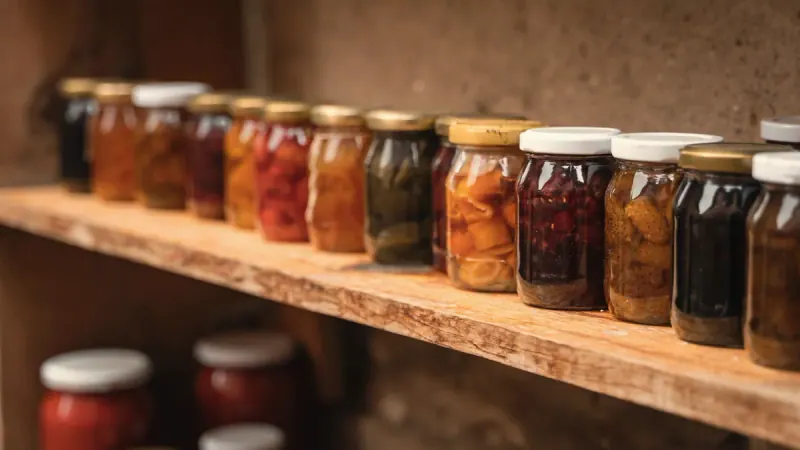
The Pre-Winter Pantry Count (Do It Before You Need It)
An inventory taken in October is true; one taken in January is done by lamplight and wrong. How to count a pantry, and the four numbers.
Read the article →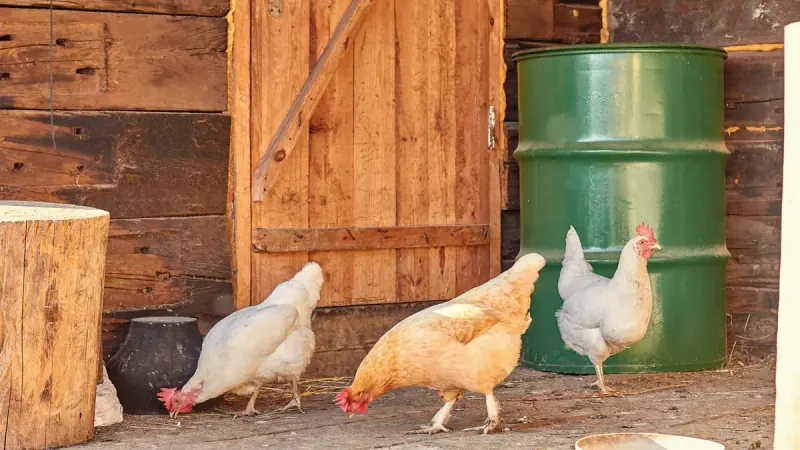
Getting Chickens Ready for Winter: Molt, Light, Records
September is molt season — the worst time to make winter decisions from memory. What molt looks like, the real pre-winter jobs, and the light question.
Read the article →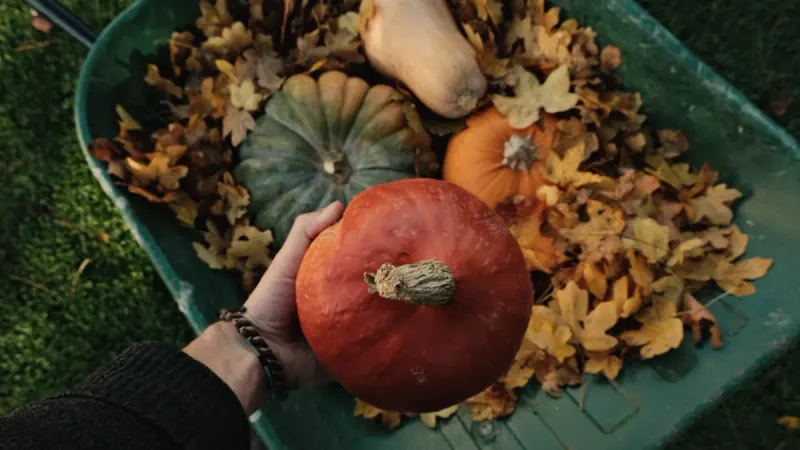
The Fall Cleanup That Feeds Next Year's Compost
Most autumn cleanup throws away the year's best compost. How to sort beds into browns, greens and burn-pile while you clear them.
Read the article →