Seed Saving and the Inventory You Do in October
Saving seed is the easy half. Knowing what you have, and whether it will still come up, is what decides next spring's order.
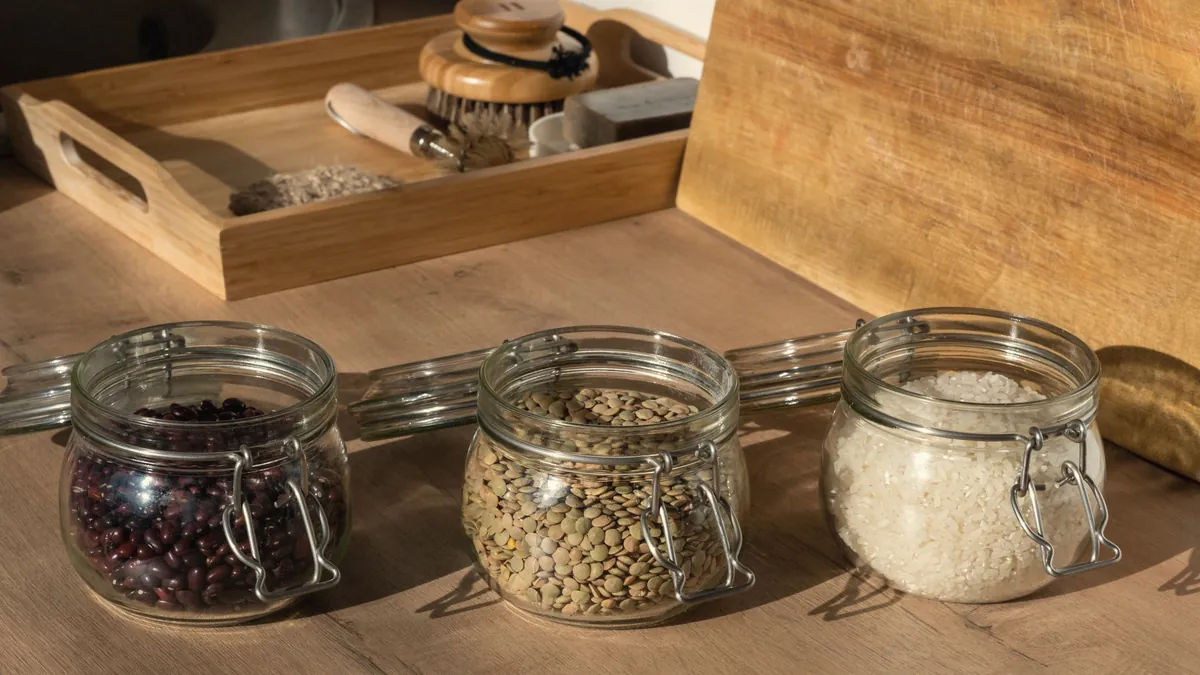
Seed saving gets written about as though the hard part is the saving. Scrape the tomato, ferment the goo, dry it on a plate — that is a pleasant afternoon and a hundred articles will walk you through it.
The hard part is October, when you have eleven envelopes of saved seed, a shoebox of half-used packets from three seasons, and no idea what is in there or whether any of it will come up. That is the part that costs money, because in January you will order seed you already own, and in May you will sow seed that was never going to germinate.
So: the saving, briefly. Then the inventory, properly.
Save what actually comes true
The single thing worth knowing before you start is which plants will give you what you planted.
Reliable without much fuss — beans, peas, tomatoes, lettuce. These are largely self-pollinating, so seed from a good plant tends to give you the same plant next year. This is where to begin.
Needs care — squash, cucumbers, melons, corn, brassicas. These cross freely with anything related growing nearby, including the neighbour’s. You can save from them, but you need isolation distance or hand-pollination, and without that you get interesting surprises rather than the variety you liked.
Not worth it in year one — biennials like carrot, beet and onion, which do not set seed until their second season and need overwintering to get there.
And one that catches people: seed saved from an F1 hybrid will grow, but it will not come true. If the packet said F1, treat anything you save from it as an experiment, not a supply.
Dry harder than you think
Almost every seed-saving failure is a moisture failure.
Dry seed spread in a single layer, out of direct sun, somewhere with moving air, for considerably longer than seems necessary — a week or two, not two days. A bean should shatter rather than dent when you bite it. Seed that feels dry to the hand is frequently not dry enough to store, and seed stored damp either molds or dies quietly and tells you nothing until spring.
Then: paper envelope, labelled, inside a sealed jar. Paper lets the last of the moisture equalise; the jar keeps the outside world out; the cool dark shelf does the rest.
The inventory, which is the real work
Set aside an afternoon in October and get everything into one place — saved envelopes, bought packets, the ones in the drawer, the ones in the shed.
Then, for every single one, four facts:
Per variety, one line
- What it is — crop and variety, exactly as written on the packet
- Year packed or saved — the number that decides everything else
- Roughly how much — “half packet”, “about 40 seeds”, “loads”
- Source — saved here, or bought, and from whom
That is the whole thing. It takes an hour and it eliminates the two expensive mistakes: ordering what you have, and sowing what is dead.
The free Seed Inventory Sheet is exactly this, ruled and printable, if you would rather not draw the columns yourself.
Save from the right plant, and write down why
The half of seed saving nobody mentions is selection. You are not just keeping seed — you are choosing which plant’s offspring you grow next year, and doing that carelessly makes your line slightly worse every season.
Save from the plant that did what you want repeated. The bean that kept producing through the dry spell. The lettuce that was last to bolt. The tomato with the flavour, not merely the biggest one. And save from several plants rather than one, so you keep some breadth in the line.
The temptation is to save from whatever is left at the end, which is usually the plant nobody wanted to eat. That is selection too — just in the wrong direction.
Then write down the why, in four words. “Lettuce, last to bolt.” Next autumn that note tells you what you were selecting for, and whether it worked.
Test the doubtful ones now, not in April
For anything three years old or older, or anything you are unsure about, run a germination test in October while it does not matter.
Ten seeds, damp paper towel, folded into a bag, somewhere warm. Check after a week to ten days. Count how many sprouted: seven out of ten is a fine packet, sow normally. Four out of ten still works — sow thicker. One or two, or none, and you have just learned in October something you would otherwise have learned in May, after committing a bed to it.
Write the result next to the line. “Lettuce, Merveille, 2023, 5/10 Oct” is a complete instruction to your spring self.
Why October and not January
Because in January you will be ordering from a catalogue, which is the worst possible moment to find out what you own. Catalogues are designed to make you buy things. An inventory in hand is the only defence, and the inventory has to exist before the catalogue arrives.
There is also the matter of memory. In October you still know that the bush beans in the unlabelled jar came from the good row by the fence. By January that is gone.
The seed work itself belongs in whatever you use to track sowing and harvest — Vertex Green has the batch and germination pages if you are growing under lights or in trays. But honestly, the sheet and a shoebox is most of the benefit.
The afternoon
Pick a wet day. Get the boxes out. One line per variety, a germination test on anything suspicious, and everything back into a jar on a cool shelf.
Come January you will open a catalogue knowing exactly what you need, which is a genuinely unusual position to be in.
— Hadley
Common questions
- How long do saved seeds stay viable?
- It varies widely by species. Onion and parsnip are notoriously short-lived, often a year or two; tomato, cucumber and squash commonly keep for several years when stored cool and dry. Rather than trusting a chart, run a ten-seed germination test on anything older than you are comfortable with.
- Which vegetables are easiest to save seed from?
- Self-pollinating annuals — beans, peas, tomatoes, lettuce — because they mostly come true without isolation. Squash, cucumbers, corn and brassicas cross readily and need distance or hand-pollination to stay true.
- How should saved seed be stored?
- Cool, dark and above all dry. Fully dry seed in a paper envelope inside a sealed jar, kept somewhere that does not swing in temperature, outlasts seed in a warm cupboard by years.
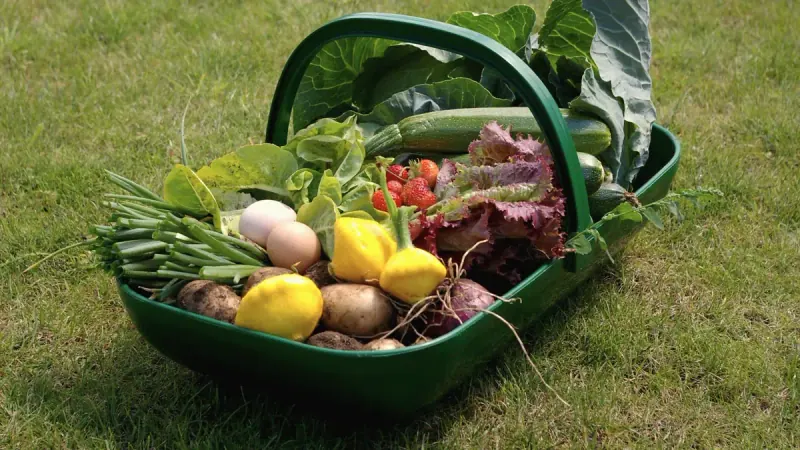
Free Printable: The Sowing & Harvest Log (One Page, Whole Season)
A free printable sowing and harvest log — date every sowing, weigh every yield, let each tray teach the next. One page from the Grow the Green field sheet.
Read the article →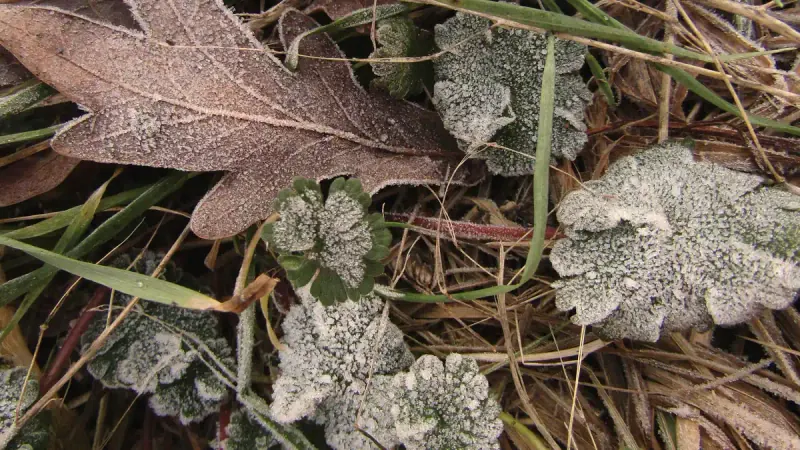
How to Find Your Real Last Frost Date
The zone chart describes a region; your ground has its own date, often weeks off. How to find yours in two seasons of notes, and what to do until you have them.
Read the article →
The Winter Storm Kit Checklist (and the Three Things That Expired Since Last Year)
A winter kit built once is a kit that quietly goes stale. The checklist for a house kit, a car kit and a power-out box — and the three items that are almost always expired by now.
Read the article →