How to Find Your Real Last Frost Date
The zone chart describes a region; your ground has its own date, often weeks off. How to find yours in two seasons of notes, and what to do until you have them.
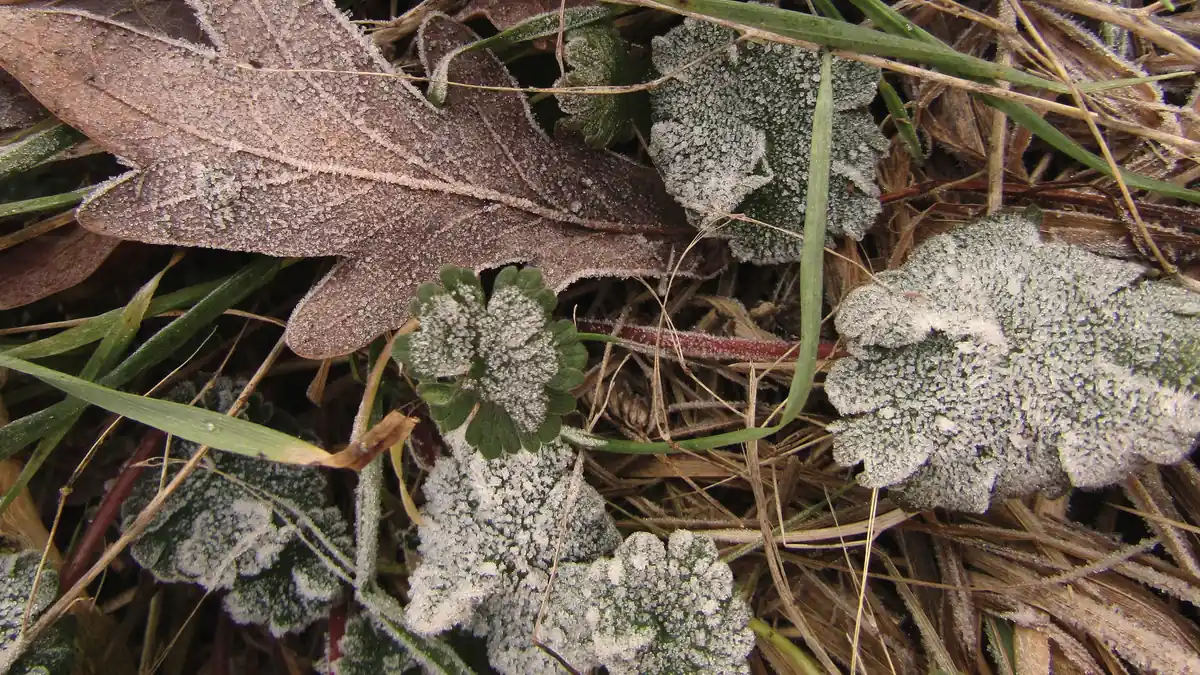
Every seed packet and every planting guide points at the same thing: your last frost date. Look it up, count backwards, sow accordingly.
The trouble is that the date you look up describes a region, and you do not garden in a region. You garden on a particular piece of ground, with its own slope, its own trees, its own cold air draining onto it or away from it. Mine runs meaningfully later than the chart says, because the garden sits at the bottom of a slope and cold air pools there on clear nights. It took three years of writing it down to trust my own ground over the map.
This article is how to get to your real date, and what to do in the meantime.
What the published date actually means
A published last frost date is usually the date after which there is a 50 percent chance of no further frost. Half the years will frost after it. That is not a flaw in the data — it is what an average is — but it is not how most people read it.
So the chart date is not “safe to plant.” It is “the coin is now fair.”
It is also drawn from a weather station that may be miles away, at a different elevation, on different ground. Ten miles and two hundred feet of elevation can be a fortnight.
Why your ground differs
Four things move your date away from the regional one, and you can usually spot all four by standing in the garden.
Elevation and slope. Cold air is dense and flows downhill like water. A garden at the bottom of a hill collects it; one part-way up a slope sheds it. The difference between a frost pocket and the ground fifty feet above it is routinely several degrees.
Thermal mass. A wall, a paved yard, a large pond or a building holds heat and releases it overnight. South-facing brick can move a bed’s effective date forward by a week or more.
Wind exposure. A sheltered garden holds a warm layer near the ground. An exposed one has it stripped off, so the plants sit at true air temperature.
Canopy. Overhead branches trap radiated heat and reduce frost on clear still nights, which is exactly when frost happens.
Getting your own date
You need two things recorded, and neither is difficult.
A minimum-reading thermometer, in the garden. Not on the house wall, not on the porch — out where the plants are, at plant height. A cheap min/max thermometer is enough. The house wall is one of the warmest spots on the property and will lie to you by several degrees.
A line a day through spring. Date, overnight low, and whether there was visible frost. Fifteen seconds.
Spring, once a day
- Date and the overnight low, read at the plants
- Frost visible? Where — everywhere, or only the low corner?
- Any damage, and to what
- The last frost of the season, circled — that is the number you are collecting
After two springs you will know which way your ground runs and by roughly how much. After three or four you have a date you can plan against. The free Frost Date & Zone Chart is a printable page for exactly this record, with room for several seasons side by side so the pattern shows.
What to do until you have the data
Plant in two waves. Put a portion of the warm-season crops in around the chart date and hold the rest back a fortnight. If a late frost comes you have lost some plants, not the year; if it does not, the early wave gets a head start and you have learned something either way.
And keep cover to hand — row cover, old sheets, buckets. A frost forecast is usually a day’s notice, and covering a bed on the one clear night that matters is far cheaper than replanting it.
For the planning side of this, Balcony Bloom has the season-planner pages where frost dates, sowing waves and bed assignments live together — it is written for container and small-space growing, where a warm wall can shift your date more than anywhere else.
Start this week
Put a thermometer in the garden today, at plant height, and start the daily line. This spring’s number is the first of the two or three you need, and there is no way to collect it retrospectively.
Two years from now you will plant with confidence on a date nobody published.
— Hadley
Common questions
- How accurate are published last frost dates?
- They are averages across a wide area, usually stated as the date after which there is a 50 percent chance of no further frost. That means roughly one year in two will frost after it — they are a starting point, not a guarantee.
- What is a frost pocket?
- A low spot where cold air collects because it is denser than warm air and flows downhill. A garden at the bottom of a slope can frost several degrees colder, and weeks later in spring, than one part-way up the same hill.
- How many years of records do I need?
- Two seasons tell you the direction your ground differs from the chart. Three or four give you a date you can plan against with some confidence.
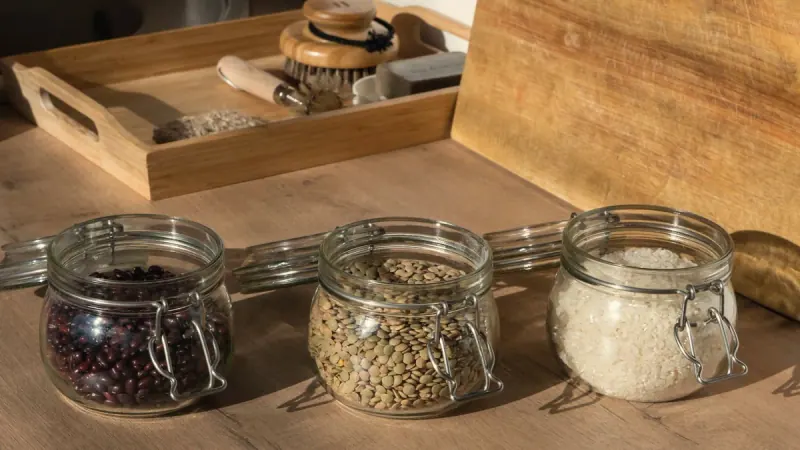
Seed Saving and the Inventory You Do in October
Saving seed is the easy half. Knowing what you have, and whether it will still come up, is what decides next spring's order.
Read the article →
Free Printable: The Sowing & Harvest Log (One Page, Whole Season)
A free printable sowing and harvest log — date every sowing, weigh every yield, let each tray teach the next. One page from the Grow the Green field sheet.
Read the article →
The Winter Storm Kit Checklist (and the Three Things That Expired Since Last Year)
A winter kit built once is a kit that quietly goes stale. The checklist for a house kit, a car kit and a power-out box — and the three items that are almost always expired by now.
Read the article →