Transplanting Without the Two-Week Stall
A transplant that sulks for a fortnight has lost more than a fortnight. Why plants stall after moving, the evening routine that avoids it, and two special cases.
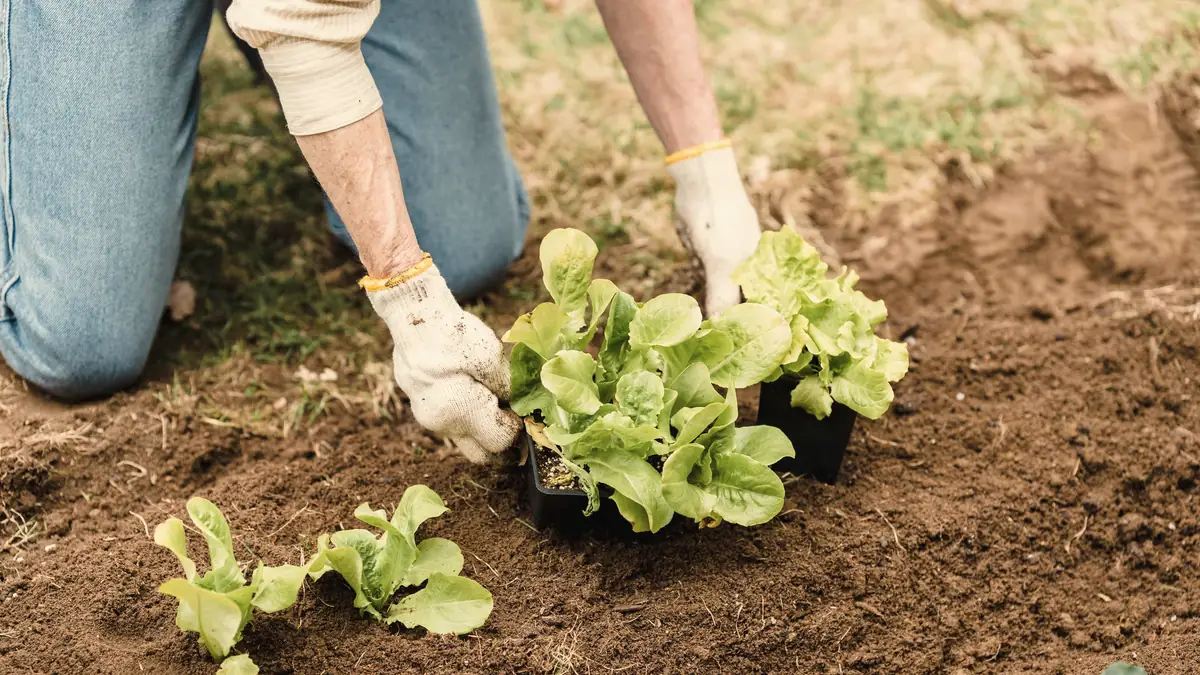
A transplant that stalls for two weeks has not lost two weeks. It has lost two weeks of the best part of the season, plus whatever head start it had, and in a short summer that is most of the advantage of raising it indoors at all.
The stall — the check — is not inevitable. It is what happens when a plant loses root contact and water supply at the same moment its leaves are being asked to work harder than ever. Fix the timing and the technique and most plants barely notice they moved.
Why plants sulk
Three things happen at once when a seedling goes into the ground.
The roots lose contact. However carefully you handle it, the fine root hairs that do the actual water uptake are damaged or left behind in the tray. Those are what feed the plant; the thick roots are mostly plumbing.
Demand goes up. The leaves are suddenly in full sun and moving air, transpiring far faster than they were on a bench.
Supply goes down at exactly that moment.
So the plant does the sensible thing: it stops growing and rebuilds roots, and sometimes drops leaves to cut demand. That pause is the check, and every one of the techniques below is about narrowing the gap between demand and supply for a few days.
The routine
Plant in the evening, or under cloud. This is the single highest-leverage change and it costs nothing. The plant gets a cool night and a soft morning to re-establish contact before it is asked to face a full afternoon. Midday planting on a bright day is the version people do and then wonder about.
Water the tray an hour before. A fully charged plant going into moist ground travels well, and a damp rootball holds together instead of crumbling off the roots as you lift it.
Water the hole, not just the plant. Fill the planting hole and let it drain before the plant goes in. This puts water below the rootball, which is where you want the roots to follow. Watering only from above encourages them to stay shallow.
Disturb the rootball as little as possible — except when it is circling. A pot-bound plant whose roots have wound around the outside will keep growing in that circle for weeks. Tease those outer roots loose, or slit the rootball down the sides with a knife; it looks brutal and works.
Firm in properly. Not stamped, but pressed so there are no air pockets against the roots. Air pockets dry roots out fast, and this is a common cause of a plant that wilts despite being watered.
Shade for two or three days if the weather is bright — a board on the sunny side, a bucket at midday, a bit of row cover. Cheap and it removes the worst of the demand.
Two special cases worth knowing
Tomatoes go deep. They root along a buried stem, so a leggy tomato can be planted up to its lowest leaves — or laid in a shallow trench with the tip curved up — and it will grow roots the whole length. That is a much bigger root system for free, and leggy seedlings stop being a problem.
Most other things go in at the depth they were. Burying the stem of a plant that does not root from it invites rot at the collar. Squash, brassicas, peppers and lettuce all want their original depth.
What to write down
Per batch, at planting
- Date, crop and variety, and which bed
- Time of day and the weather that day and the next
- Whether you shaded, and for how long
- How long before they visibly started growing again — the check, measured
That last line is the whole point and it takes one word a few days later: “moving by day 3” or “still sulking day 8.” Two seasons of it and you will know, for your own garden and your own weather, whether the evening planting and the shade board are worth the trouble. They are, but you should not have to take my word for it.
Vertex Green has the batch pages for the whole run from sowing to transplant, one line per tray. The free Sowing & Harvest Log is the one-page version.
This week
If the beds are ready and the seedlings are hardened, wait for an evening with cloud in the forecast. Water the trays an hour before, fill the holes, plant, firm, and put a board on the west side of anything tender.
Then check on day three for the thing you actually want to see: new growth, rather than survival.
— Hadley
Common questions
- What causes transplant shock?
- Mostly root damage and water stress at the same moment. A disturbed root system cannot supply the leaves, so the plant sheds or stalls until it rebuilds — which is why planting in the cool of the evening helps so much.
- Should I water before or after transplanting?
- Both. Water the tray an hour before so the rootball holds together and the plant goes in fully charged, then water the planting hole itself after firming in.
- Should tomato seedlings be planted deep?
- Tomatoes root along a buried stem, so burying a leggy one up to its first leaves gives it a much larger root system. Most other plants should go in at the depth they were growing.

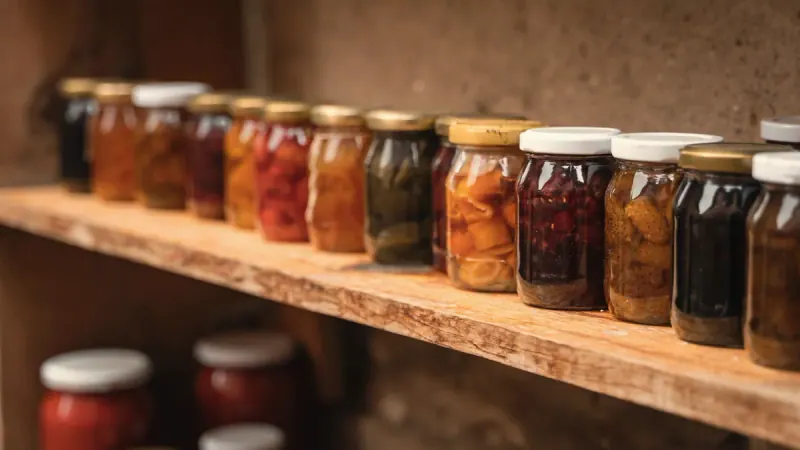
The Pre-Winter Pantry Count (Do It Before You Need It)
An inventory taken in October is true; one taken in January is done by lamplight and wrong. How to count a pantry, and the four numbers.
Read the article →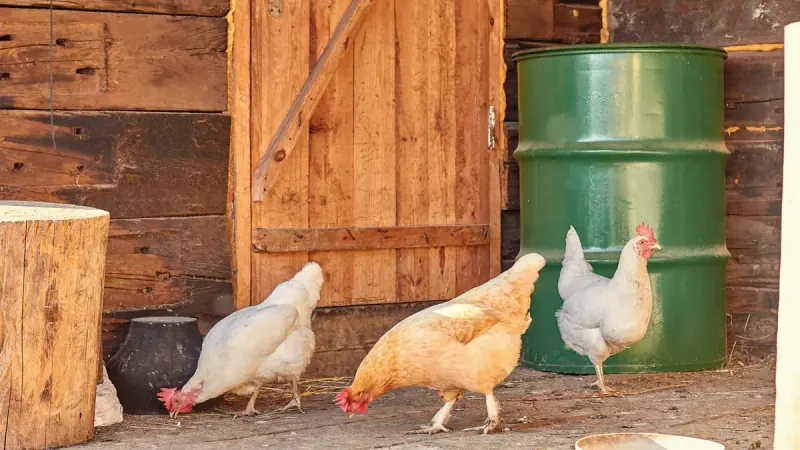
Getting Chickens Ready for Winter: Molt, Light, Records
September is molt season — the worst time to make winter decisions from memory. What molt looks like, the real pre-winter jobs, and the light question.
Read the article →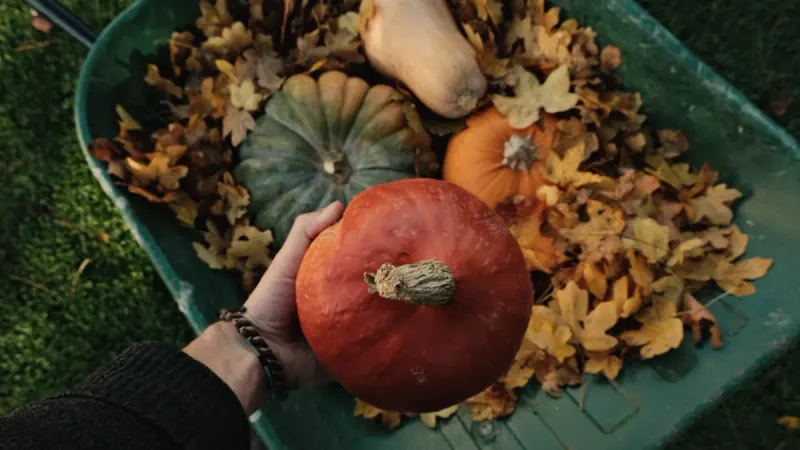
The Fall Cleanup That Feeds Next Year's Compost
Most autumn cleanup throws away the year's best compost. How to sort beds into browns, greens and burn-pile while you clear them.
Read the article →