The First Hive Inspection: What to Look For
A new colony's first weeks decide the year. What a spring inspection is actually checking, how to keep it short, and the four lines that make next May legible.
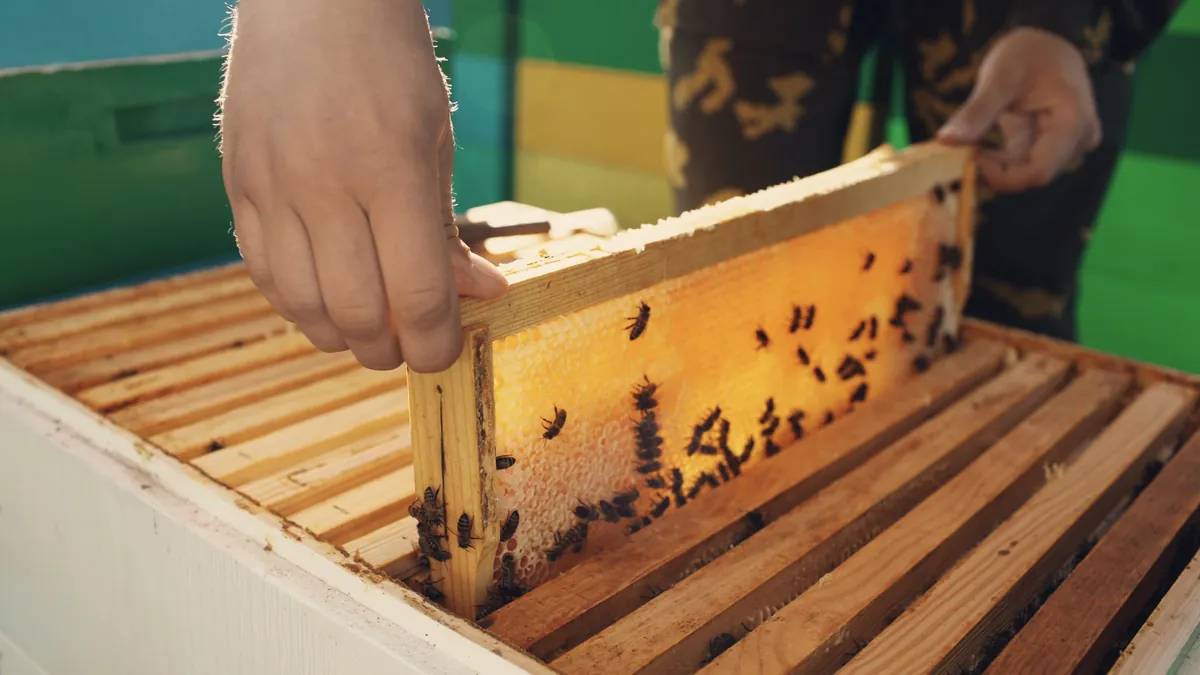
A new colony’s first six weeks decide most of its year. It is either building comb, raising brood and getting ahead of the season, or it is not — and by the time the failure is obvious from outside, the window to fix it has usually closed.
So the spring inspection matters. But the instinct of every new keeper is to open the hive often and look at everything, and that instinct is wrong in a specific way: each inspection costs the colony heat, disruption and a good part of a day’s work. The skill is getting the answers you need and closing up.
You are checking four things
Not “how are they doing.” Four specific questions, in order of importance.
1. Is there a laying queen? You do not need to see her. Eggs are the answer — single eggs standing on end in the bottom of cells mean a queen was laying within about three days. Finding eggs is faster and more reliable than hunting for one insect among thousands, and it tells you the thing that matters.
2. Is the brood pattern solid? A good pattern is a tight, mostly continuous area of capped brood. Scattered, patchy brood with many empty cells among the capped ones is worth noting and watching — it can mean a failing queen or something else going on, and either way it is the number you want to be able to compare against next time.
3. Are they drawing comb and storing? A new colony must build before it can do anything else. Fresh white comb is the sign the build-up is working. If they are not drawing, ask whether there is forage available and whether they need feeding.
4. Is there room? A colony that runs out of space swarms, and swarm preparation happens faster than most inspection schedules. If the frames are filling, the answer is more space, added before you think it is needed.
Keeping it short and calm
Pick the conditions: a warm, still, sunny middle of the day, when the foragers are out and the hive is at its emptiest and most tolerant. A cold or wet-day inspection chills brood and annoys everyone.
Work smoke gently and sparingly. Move slowly and deliberately — most stings come from quick movements and crushed bees, not from aggression. Handle frames over the open hive so the queen, if she drops, drops home.
And have a plan before you lift the lid. Knowing what you are looking for turns a twenty-minute rummage into a five-minute check.
The four lines
Write them at the hive, not in the kitchen afterwards. By the time you are indoors, two hives have merged into one memory.
Per hive, per inspection
- Date, and the weather — temperature and whether it was still or breezy
- Eggs seen? Brood pattern — solid or patchy
- Frames drawn, stores present, space remaining
- What you did — added a box, fed, nothing — and what to check next time
That last half-line, what to check next time, is what turns a set of notes into a working system. “Watch the patchy frame on the east side” written on the 14th is a specific job on the 24th, rather than a vague sense that something was off.
The comparative value builds fast. A colony that drew four frames in ten days last year and two this year is telling you something, and the only place that comparison exists is in your own book.
Hive Heartbeat is ruled exactly for this — one inspection per spread, with the queen, brood, stores and space columns already drawn, running the full year through to wintering. The free Brood Inspection Quick-Sheet is a single printable page you can take to the hive.
A word on what this article isn’t
This is about inspecting and recording, not about disease management, treatment thresholds or anything you might need to act on medically for a colony. Those vary by region and by season, and the right source is your local beekeeping association and your state or national apiary service — people who know what is moving through your area this year. A good record makes their advice far easier to act on, because you will be able to answer their questions.
This month
If the colony went in this spring, do the short version now: eggs, comb, room. Write the four lines at the hive.
Then leave them alone for another week, which is harder than it sounds and better for the bees.
— Hadley
Common questions
- How soon after installing a package should I inspect?
- Most keepers do a quick check about a week in, purely to confirm the queen is released and laying. A full frame-by-frame inspection that early costs the colony more heat and calm than it gains you information.
- How often should a new hive be inspected?
- Every seven to ten days through the build-up, then less as the colony establishes. More frequent than that disrupts more than it reveals.
- What if I can't find the queen?
- Look for eggs instead. Eggs standing in the bottom of cells mean a laying queen was present within the last three days, which is the thing you actually needed to know.
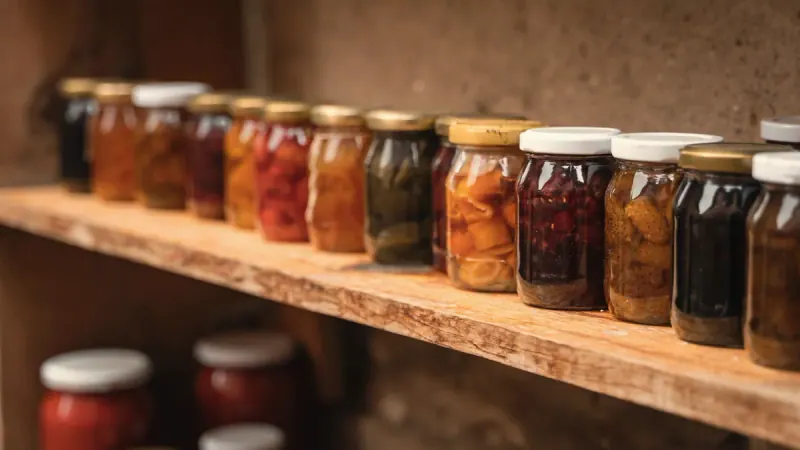
The Pre-Winter Pantry Count (Do It Before You Need It)
An inventory taken in October is true; one taken in January is done by lamplight and wrong. How to count a pantry, and the four numbers.
Read the article →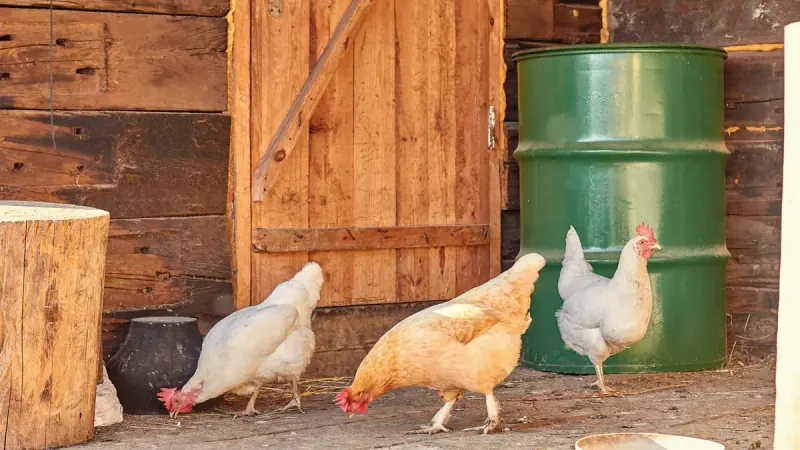
Getting Chickens Ready for Winter: Molt, Light, Records
September is molt season — the worst time to make winter decisions from memory. What molt looks like, the real pre-winter jobs, and the light question.
Read the article →
The Fall Cleanup That Feeds Next Year's Compost
Most autumn cleanup throws away the year's best compost. How to sort beds into browns, greens and burn-pile while you clear them.
Read the article →