Why Homestead Gifts Get Ordered in October
The good presents for people who keep land get bought early — useful things sell out and personal ones take time. A calm October list.
There is a particular disappointment in buying a present for someone who keeps land, and I have caused it more than once.
You get them something lovely. Bath things, a candle, a gadget shaped like a chicken. They are gracious about it. It goes on a shelf, and it is still on that shelf a year later, and both of you know it.
The problem is not thoughtlessness. It is that this particular recipient sorts the world into things that work and things that don’t, and a gift that fails that test is quietly awkward regardless of how much it cost. But the useful version needs buying early — which is why this is an October article and not a December one.
Three reasons the good ones sell out
Seasonal stock is genuinely finite. Jar lids, specific seed varieties, particular feed, the good gloves in the right size. These are not manufactured continuously; they are stocked for a season and then they are gone until spring. By late November the popular sizes and varieties are simply not there.
Anything personal takes lead time. Engraved, printed, hand-made, bound — all of it needs weeks, and all of the makers are busiest in exactly the weeks you would be ordering. October is calm for them and therefore fast.
December shipping is a lottery. Every year, and it will be again.
The practical upshot: order in October, put it in a cupboard, be smug in December. That is the whole strategy.
What actually lands
Four categories, roughly in order of how well they go over.
Consumables they run out of. This is the most underrated category by far. Jar lids in quantity. Good twine. Feed-store credit. Coffee. Someone with a full tool wall still runs out of lids in August, and will never buy themselves the nice version as a treat.
One good version of a thing they own three bad versions of. A proper pair of secateurs. A knife that holds an edge. A thermometer that is accurate. The upgrade they have not justified to themselves — and the test here is that they already use the cheap one constantly, so you know it will be used.
Somewhere to put the knowledge. Everyone who keeps land is carrying a season’s worth of information in their head and losing most of it. Something to write in is a gift that keeps returning value, and — this is the part that makes it work as a gift — it is the sort of thing people find hard to buy for themselves without feeling indulgent.
Time and hands. A day of help with fencing. A morning of digging. Free, and consistently remembered longer than anything wrapped.
Beginner or ten years in
The single most useful thing to work out before buying is where the person is, because the two ends want opposite gifts.
Someone in their first two seasons is still assembling. Almost anything functional lands well, because they do not own it yet — the good secateurs, the accurate thermometer, the first proper storage jars. They also benefit most from something that tells them what to pay attention to, since the hardest part of year one is not knowing which details matter. Breadth beats depth here.
Someone ten years in owns all of it. They are not short of tools; they are short of consumables, replacements for the one good thing that finally wore out, and anything that saves them from repeating a season they have already run. Depth beats breadth. This is also the person for whom “a day of your labour” outranks almost any object.
The mistake is buying the beginner’s gift for the experienced keeper — a starter version of something they have owned and worn out twice — which reads, unintentionally, as not having noticed what they do.
The awkward ones
To save you the trouble I have already gone to:
Livestock, unless it was explicitly requested. Ever. Animals are a multi-year commitment and giving one as a surprise transfers years of work and cost to someone who did not agree to it.
Anything requiring immediate space. A large tool with nowhere to live becomes a problem in a barn that is already full.
Decorative versions of working objects. A galvanised watering can that leaks. A basket that will not carry weight. Someone who uses the real thing daily notices instantly.
If you want the list already made
We keep a gift guide sorted the way people actually shop for this — by who you are buying for and where they are in their keeping, rather than by price bracket. It covers the volumes and the sets, and it is honest about which is right for a beginner versus someone ten years in.
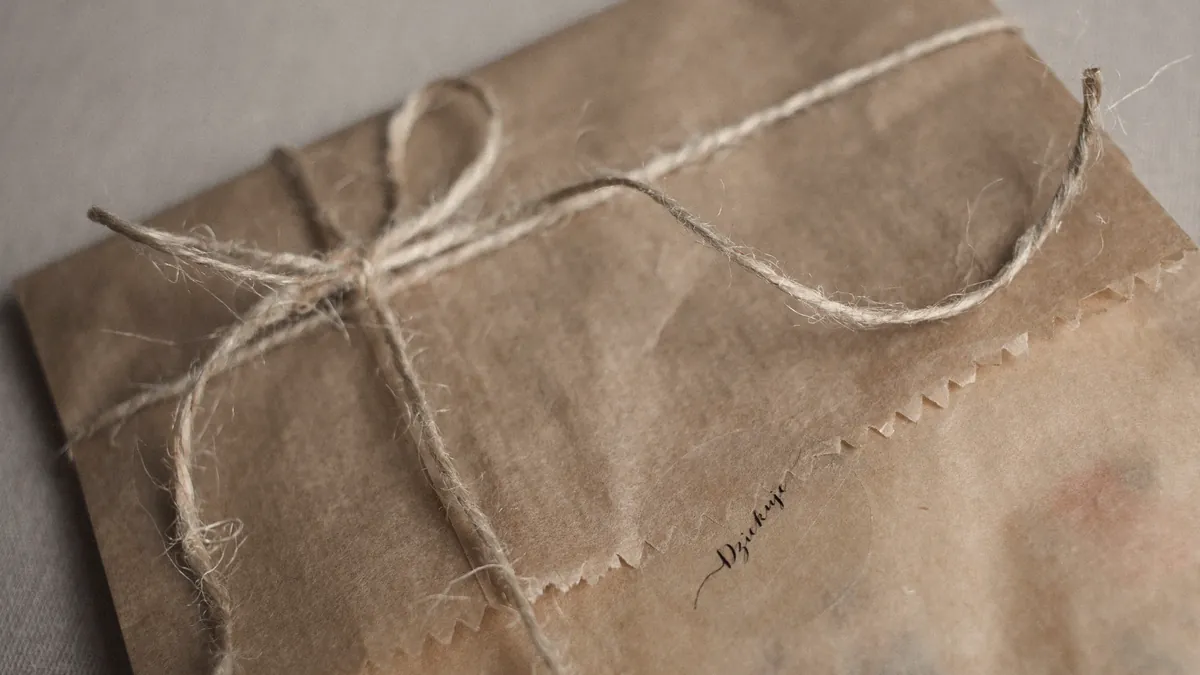
There is also a printable gift note — A5, free, no email required — for the perennial problem of a good present that arrives looking like a parcel.
And if you are buying for someone whose interests you only half know, the quiz takes about a minute and will point at a starting volume rather than making you guess between fifteen.
The October afternoon
Make the list this month while it is calm. Order the things with lead times first, the consumables second, and put the whole lot somewhere you will remember in eight weeks.
Then in December, while everyone else is refreshing tracking pages, you can be doing something more agricultural.
— Hadley
Common questions
- What do you get someone who has all the homestead tools already?
- Consumables and record-keeping. Someone with every tool still runs out of jar lids, twine, feed-store gift credit and somewhere to write things down — and those are the things they will not buy themselves as a treat.
- When should homestead gifts be ordered?
- October, for two reasons: seasonal stock genuinely runs out, and anything personalised, printed or hand-made needs lead time that December does not have.
- Are practical gifts a cop-out?
- Not for this recipient. Someone who keeps land generally values a thing that works over a thing that decorates — the test is whether it will be used in February, not whether it looks generous under a tree.
Planning the Curing Season Before It's Cold
Curing and cold smoking need cool, steady weather — which means the decisions get made in September and the work happens later. What to settle now.
Read the article →
The Five Phases of a Working Homestead (and Why They Loop)
Prepare, Grow, Raise, Process, Steward — the five phases every homestead moves through, why order matters, and how phase five feeds phase one.
Read the article →
The Repair Afternoon: Fixing What Spring Broke
Every spring breaks things you worked around instead of fixing. One afternoon in June: walk first, fix in order, and put the salvage pile to work.
Read the article →