What I Actually Write Down Every September
One keeper's September logging day: the eight things worth recording before the season closes, and why most of them are failures.
Somewhere in the second week of September I stop working outside for an afternoon, which feels like heresy, and sit down with the books.
Not to tidy them. To close the season while I can still remember it. Because the honest truth about homestead record-keeping is that nobody writes things down in July. July is for surviving July. The notes I take between May and August are fragments — a date, a weight, three words — and if I do not sit down in September and turn them into sentences, by February they are hieroglyphics.
So: one afternoon, a pot of something hot, and eight things. Here is the whole list.
1. What actually fed us
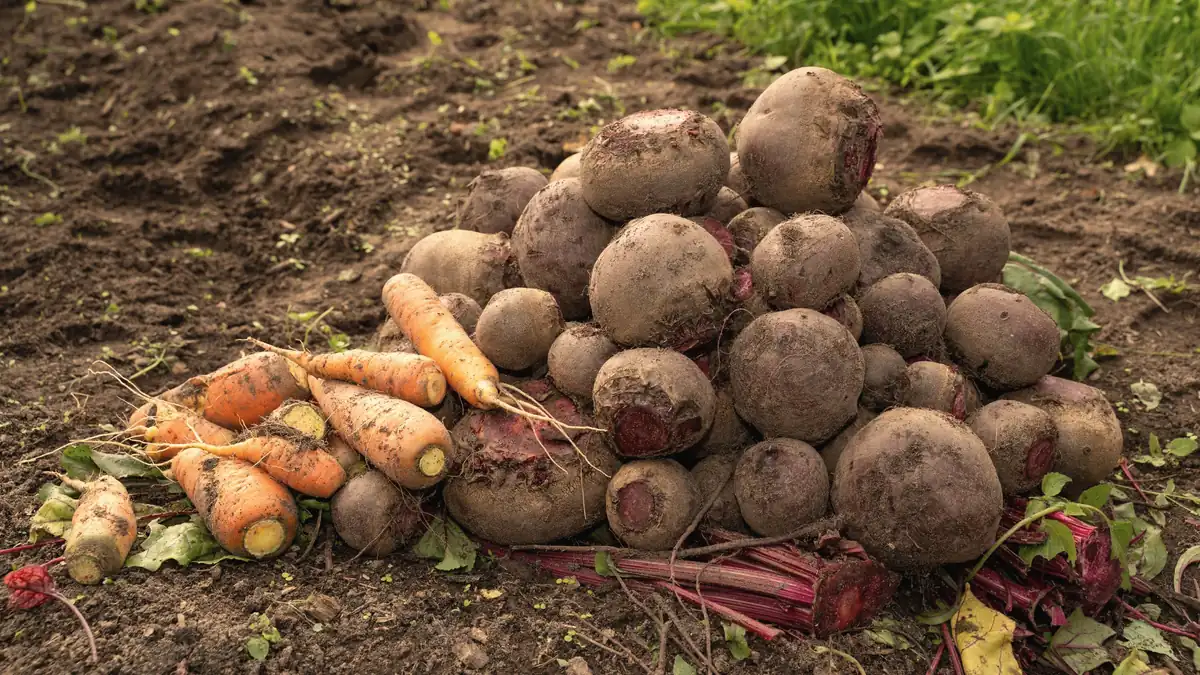
Not yield in pounds — I gave up on weighing everything years ago and I do not miss it. What I write is the honest verdict: which beds produced food we ate, which produced food we composted, and which produced disappointment.
Three columns, fifteen lines. Beans: excellent, ate all summer, froze twelve bags. Peppers: eight plants, maybe nine peppers, again. Two Septembers of “peppers, again” and you stop planting peppers. That is the entire value.
2. The dates that repeat
Last frost, first planting, first ripe tomato, first frost warning. These are the four numbers that structure every following year, and they are the four I would forget within a month.
They also drift. My last frost is meaningfully later than the zone chart says, because I am at the bottom of a slope and the cold sits on me. It took three years of writing it down to believe the land over the map.
The chart describes a region. Your notebook describes your ground. When they disagree, the notebook is right.
3. Every failure, with a cause if I have one
This is the section people skip, and it is the most valuable one in the book.
Squash, bed 3, mildew again — second year. Row cover went on too late, around the 20th. Try the 1st next year.
A failure without a note is a failure you will repeat on schedule. A failure with a note is an experiment with a hypothesis attached. I have a running page titled Things That Did Not Work, and it is the page I reread most often in January.
4. The flock’s year, in five lines
Who laid, who stopped, who went broody, who is old. Feed consumed if I tracked it, which some years I do and some years I don’t. Any losses, and what took them.
September is also when the molt starts, so I note who is dropping feathers and when — that tells me next spring whether a hen is on her normal rhythm or genuinely slowing down.
5. What is in the cellar, before I am cooking from it
An inventory taken in September is an inventory taken while it is still true. Jars by type and count, the freezer’s rough contents, what is in the root bins.
I do this before winter starts, never during, because a January inventory is done by lamplight while resentful, and it is always wrong. The pre-winter count is also what tells me whether to buy another case of lids now or whether I over-canned tomatoes for the third year running.
6. The weather, in one paragraph
Not a data set — a paragraph. Wet May, then nothing from June 20 to August 4. Two heat waves. Early cold snap first week of September.
Six sentences of season summary is worth more than a spreadsheet of daily highs, because what you are trying to remember later is the shape of the year, so you can ask whether the bean failure was you or the drought.
7. Money, roughly
Seeds, feed, soil amendments, the thing that broke and had to be replaced. I am not running double-entry books. I am answering one question each autumn: did this cost more than we think it did?
Usually yes. Usually the feed.
8. One page of next year, written now
The last thing I do, while the season is still vivid: a single page headed with next year, and everything I already know I want to change. Move the squash. Start the peppers under lights or stop growing them. Order the cover crop seed in August this time, not the week I want to sow it.
Written in September, that page is specific and slightly annoyed and completely correct. Written in February, the same page is vague and optimistic and mostly wrong.
Why an afternoon in a chair
Because the alternative is a winter of “I think it was around the middle of June?” — and because every one of these lines is a gift to a version of you who will be standing in a cold garden in April with a seed packet, trying to decide.
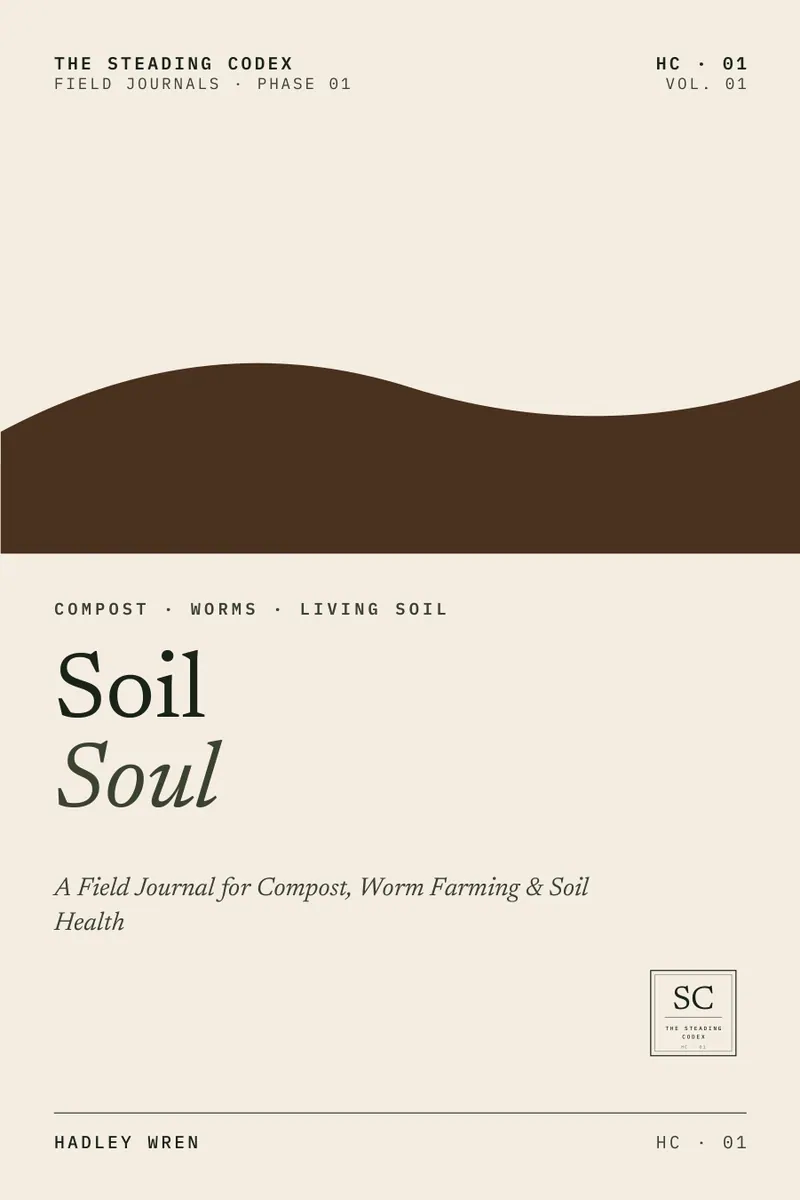
The books I keep are ruled for this: Soil Soul holds the beds, the compost and the soil audits; Hatch & Hover holds the flock’s year; and the cellar count lives in The Harvest Vault. But the format matters far less than the appointment. A cheap notebook and a September afternoon beats a beautiful system you never sit down with.
If you want to see what a ruled page looks like before committing to anything, the free sheets are all single printable pages — one for the pile, one for the flock, one for the inventory.
The appointment
Put it in the calendar now, while the garden is still telling you the truth: one afternoon, second week of September, books and something hot.
It is the least agricultural hour of my year and probably the most useful one.
— Hadley

What a 104-Page Field Journal Actually Looks Like Inside
Not a diary, not a planner — a working ledger. A page-by-page tour of what's inside a Steading Codex field journal and why it's built that way.
Read the article →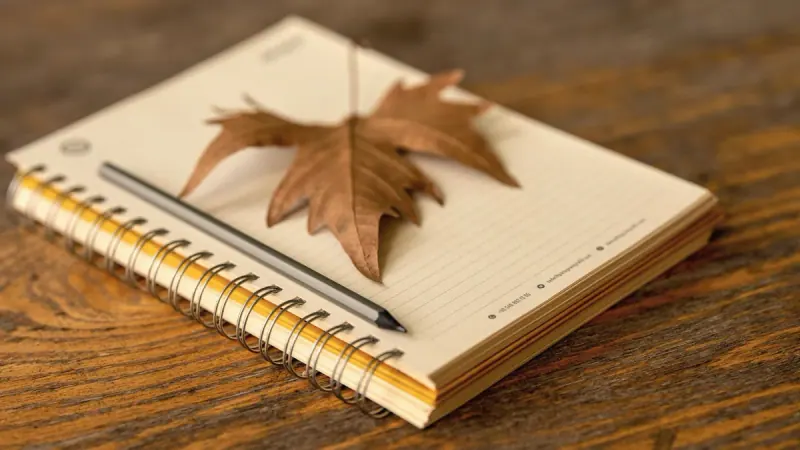
Why Your Homestead Needs a Paper Ledger (Not Another App)
Apps die, batteries die, subscriptions lapse. A paper field journal survives rain, mud, and a decade on the shelf. Here's why working homesteads still run on ink.
Read the article →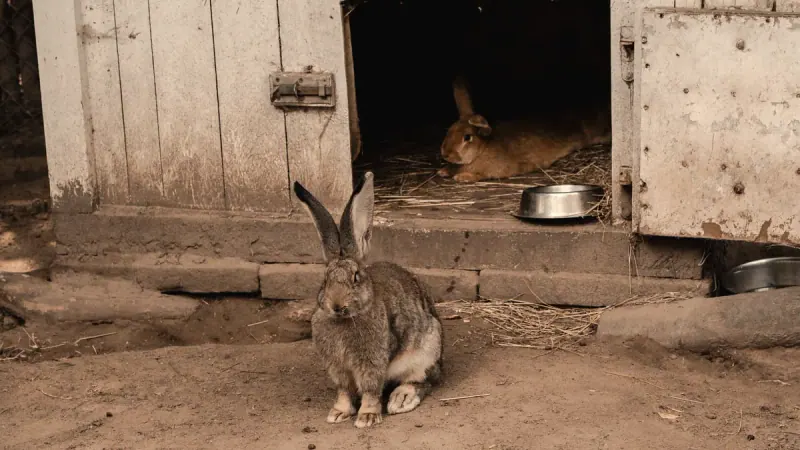
The Spring Kindling Schedule, Written Down
A rabbitry runs on dates: bred, palpated, nest box in, kindled, weaned. Keep them on paper and the year plans itself; keep them in your head and it doesn't.
Read the article →