When to Make Sauerkraut: The September Window
Late cabbage ferments differently: colder rooms, denser heads, slower crocks. How to read the September window, start to finish.

The cabbage you cut in September is not the cabbage you cut in August, and the crock you set in a September pantry is not sitting in the room it sat in six weeks ago. Both of those things change your kraut. Neither of them announces itself.
Late heads are denser and drier. They have spent a cool month tightening rather than a hot one racing. They shred differently, they give up brine more slowly, and they hold their crunch longer once they are under. Meanwhile the corner of the pantry that held a steady 72°F in August is drifting toward the low sixties, and the ferment that used to finish in ten days is now going to want a month.
This is the good window. It is just a slower one, and slow is where the flavor lives.
Read the room before you read the recipe
Fermentation is a temperature story wearing a recipe’s clothing. Before you shred anything, put a thermometer where the crock will actually sit — not in the kitchen, in the spot — and leave it there overnight.
- Low 70s and up. Fast and risky this time of year. Kraut can go soft before the sourness arrives. Find a cooler corner.
- 60–68°F. The window most keepers want. Predictable, slow enough to develop, warm enough to start cleanly.
- Below about 55°F. It will still work, but expect six weeks or more, and expect a lag of several days before anything visibly happens. Do not panic and move it somewhere warm on day three.
Write the number down. That single figure explains more about how a batch turned out than anything else you will record.
The September method, start to finish
1. Weigh the cabbage. Not “one large head” — actual grams or ounces. Everything downstream is a percentage of this number, and the difference between a large head and a very large head is about 40% more cabbage.
2. Salt at 2–2.5% of that weight. Weigh the salt too. This is the step people eyeball and then wonder why one crock in three goes strange. Dense autumn cabbage releases brine more reluctantly, so give it time rather than reaching for more salt.
3. Shred, salt, wait twenty minutes, then work it. The wait does most of the labor for you. Late cabbage especially — massage it dry and you will be squeezing a stone; give it twenty minutes and the salt draws the water out on its own.
4. Pack hard, submerge completely. Everything under the brine, no exceptions. If a dense head refuses to make enough liquid, top up with a 2% brine you mixed and measured rather than a splash of salty water.
5. Weight it, cover it, leave it alone. Then check weekly, not daily.
What actually goes in the log
Four weeks from now, the only thing standing between you and repeating a good batch is what you wrote down on the day you made it. Not your memory. Your memory will confidently tell you it was “about two tablespoons of salt.”
The columns that matter:
Per batch, on day one
- Date, and the cabbage variety if you know it
- Cabbage weight, salt weight, and the percentage you calculated
- Ambient temperature where the crock sits — measured, not guessed
- Vessel and weight type (crock, jar, glass weight, brine bag)
- Anything else in it — caraway, juniper, apple, dill
Then a line a week: how it smells, whether the brine is still clear, and what it tastes like once you start tasting around week three. Five words is plenty. “Wk3: sour, still crisp, good.”
The payoff is not this batch. It is next September, when you open the book and find last year’s entry saying 2.2% at 64°F, five weeks, best of the year — and you skip the three batches it took to learn that.
This is exactly the work The Culture Archive is ruled for: batch weights, percentages, temperature, and a week-by-week tasting column, one spread per ferment. If you would rather test-drive the idea first, the free Batch Log is a single printable page with the same bones.
The one thing worth being strict about
Everything above is craft, and craft has room for opinion. Safety does not.
Keep the vegetable under the brine, keep your equipment clean, and if a batch smells genuinely wrong — not funky-sour, but rotten — or grows fuzzy coloured mold rather than a flat white film on the surface, throw it out. A crock of cabbage is worth about four dollars. For the underlying food-safety guidance on home fermentation and preservation, the USDA’s National Center for Home Food Preservation is the source worth reading, not a blog.
Record-keeping makes you a better fermenter. It does not make a bad jar safe.
Start this week
Cabbage is at its best and cheapest right now, and the room temperature is doing you a favor whether you noticed or not. Weigh the head, weigh the salt, write the number on the pantry wall thermometer, and set the crock somewhere you will walk past once a week.
Come November you will have jars. Come next September you will have something better — a page that tells you exactly how you made them.
— Hadley
Common questions
- What temperature should sauerkraut ferment at?
- Most keepers land between 60 and 68°F. Colder runs slower and tends to stay crisp; warmer runs faster and softens sooner. The number matters less than writing down which number you used, so you can repeat the batch you liked.
- How long does a September kraut take?
- Longer than a August one — often three to six weeks rather than one to two, because cellars and pantries are cooling. Taste it weekly rather than counting days.
- How much salt do I use for sauerkraut?
- The common working range is 2 to 2.5 percent of the cabbage's weight. Weigh the cabbage, weigh the salt, and record both — guessing by volume is where inconsistent batches come from.
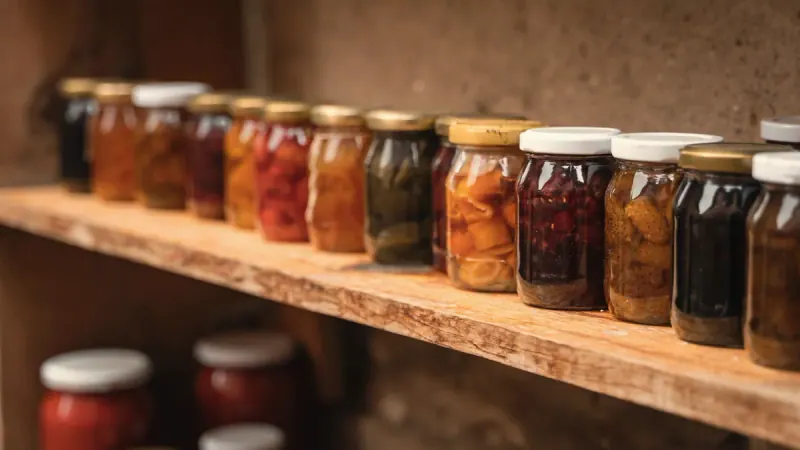
The Pre-Winter Pantry Count (Do It Before You Need It)
An inventory taken in October is true; one taken in January is done by lamplight and wrong. How to count a pantry, and the four numbers.
Read the article →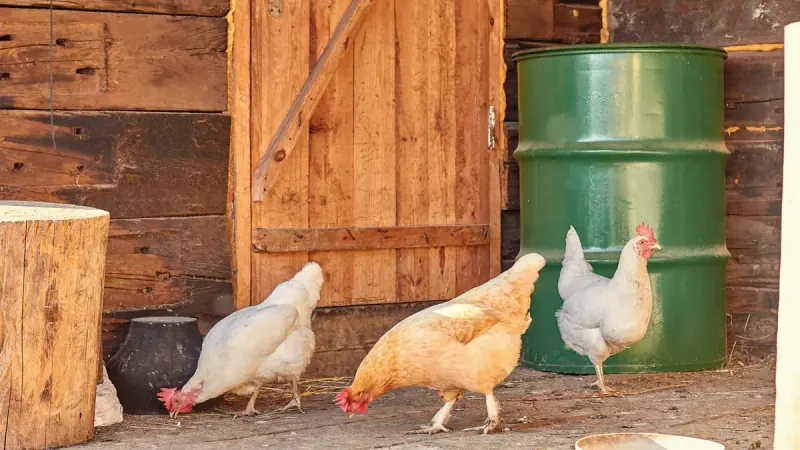
Getting Chickens Ready for Winter: Molt, Light, Records
September is molt season — the worst time to make winter decisions from memory. What molt looks like, the real pre-winter jobs, and the light question.
Read the article →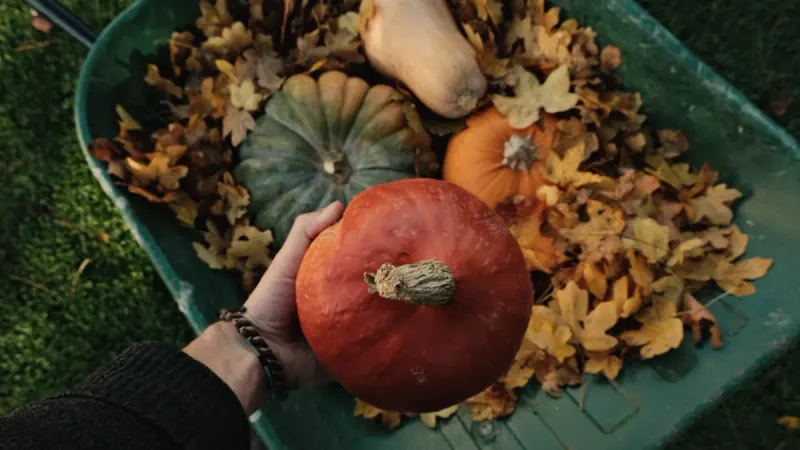
The Fall Cleanup That Feeds Next Year's Compost
Most autumn cleanup throws away the year's best compost. How to sort beds into browns, greens and burn-pile while you clear them.
Read the article →