The Pre-Winter Pantry Count (Do It Before You Need It)
An inventory taken in October is true; one taken in January is done by lamplight and wrong. How to count a pantry, and the four numbers.
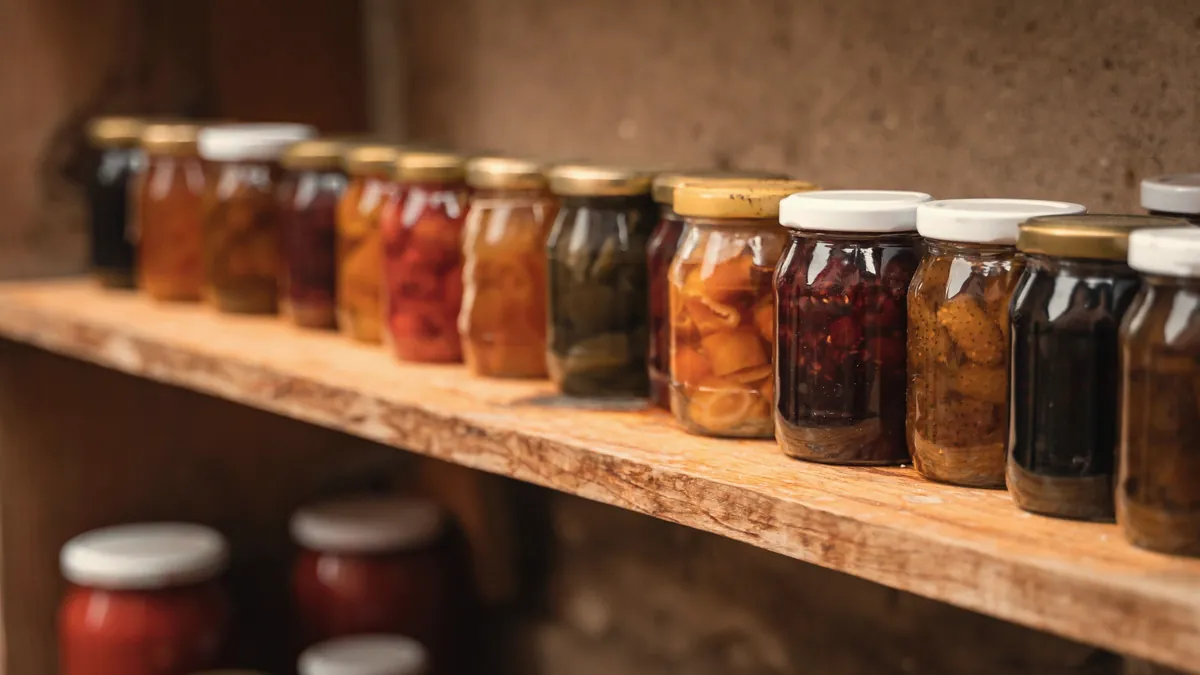
The pantry count is one of those chores whose entire value depends on when you do it.
Done in October, while preserving season is just finished and the shelves are as full as they will ever be, it is a true picture and it changes what you cook for five months. Done in January, it is a cold errand performed by torchlight because you have run out of something, and by then the information arrives too late to act on.
So this is the October version. One afternoon, everything counted, four numbers that matter.
Count everything, in one pass
Take a clipboard, start at one end, and do not tidy as you go — tidying is how a one-hour job becomes a Saturday. You are recording, not organising.
Home-canned, by type and count. Twenty-two quarts of tomatoes. Nine pints of beans. Fourteen jars of jam that nobody eats but you keep making. Actual numbers.
Dry goods, by weight or container. Flour, rice, beans, oats, sugar, salt. Approximate is fine — “about 20 lb rice” — precision here is false comfort.
Frozen, by category. Not every package. “Chicken: roughly 8 birds’ worth. Beef: half a shelf. Berries: 12 bags.” Enough to plan from.
Root cellar and fresh storage. Squash by count, potatoes and onions by rough weight, apples by crate. These are the ones that change fastest, so note their condition too.
Everything you actually buy. Coffee, oil, vinegar, the things that are not homestead-produced but whose absence stops a kitchen.
The four numbers
When the list is done, work out four things. This is the part that turns a count into a decision.
1. Weeks of the staples. Take the two or three things you genuinely eat every week and divide the quantity by weekly use. Not “we have a lot of rice” — “rice, about eleven weeks.” This is the only number that answers the actual question.
2. What you have too much of. Every pantry has one. Three years of jam, a wall of pickles, forty pounds of a bean nobody likes. Note it, and then — this is the important half — stop making it next year. The overage is a message from last summer.
3. What runs out in February. Look at the list and find what is thin. This is the one you either buy now, while it is in season and cheap, or plan a gap around. Discovering it in February means paying February prices.
4. The oldest thing on the shelf. Find the single oldest jar or package. That is where this winter’s eating starts.
Build the eat-first shelf
The single change that makes the count act on itself: clear one shelf at eye level and call it the eat-first shelf.
Everything you found that is oldest, or opened, or in questionable condition, or simply overabundant, goes on it. That shelf is where the kitchen shops. Nothing new goes on it, and nothing comes off the deeper shelves until it is empty.
It takes twenty minutes at the end of the count and it converts a list into a habit. A written inventory tells you the plum jam is a problem; the eat-first shelf is what actually gets the plum jam eaten. Without it, most counts end as a tidy page and an unchanged pantry.
Counting is not rotation
Worth separating, because they get conflated.
The inventory is the snapshot: what is here, how much. Rotation is the ongoing habit that decides the order you eat it in — new stock behind, eat from the front, oldest out first. A perfect count of a pantry with no rotation just tells you precisely what is going to expire at the back.
If the rotation half is not in place, that is its own job and I have written it up separately: the FIFO rule and how to set it up in half an hour. Do the count first, though — you cannot rotate stock you have not found.
Where it goes
A count on a scrap of paper is a count you will lose by December.
It wants to live somewhere consistent, with room to strike through and update as the winter draws it down. The whole point is that in January you can look and know, rather than going out with a torch.
The Harvest Vault is built for this — inventory pages by category with count columns you draw down through the season, plus the shelf-audit and rotation pages behind them. The free Inventory & Loop Log is the single-page version if you want to run this year’s count on paper first.
On safety, briefly
Two things worth stating plainly.
A home-canned jar does not become unsafe on a calendar date, but seals fail, quality drops, and a jar with a lifted lid, a broken seal, cloudiness or any smell of fermentation gets discarded rather than tasted. Date every jar when you make it and eat oldest first.
And for anything about processing times, pressure canning, or what is safe to can at all, use the USDA’s National Center for Home Food Preservation rather than a recipe from anywhere else. Those numbers are tested and they are not the place for improvisation. A good inventory keeps track of what you made; it does not make an under-processed jar safe.
This month
Pick a wet afternoon before the clocks change. Clipboard, one pass, four numbers.
Then cook from the front of the shelf all winter and buy the February shortfall while it is still October.
— Hadley
Common questions
- How often should a pantry inventory be done?
- Twice a year works for most homesteads — a full count after preserving season ends, and a lighter one in late winter to see what is actually getting eaten. The autumn count is the one that changes decisions.
- What is the difference between an inventory and rotation?
- An inventory tells you what you have and how much. Rotation — first-in, first-out — decides the order you eat it in. The count is the snapshot; rotation is the habit that keeps the snapshot from going stale.
- Do home-canned goods have an expiry date?
- Home-canned food does not stop being safe on a date the way a printed 'best by' implies, but quality declines and seals can fail over time. Date every jar when you make it, use oldest first, and follow current USDA guidance for processing and storage.
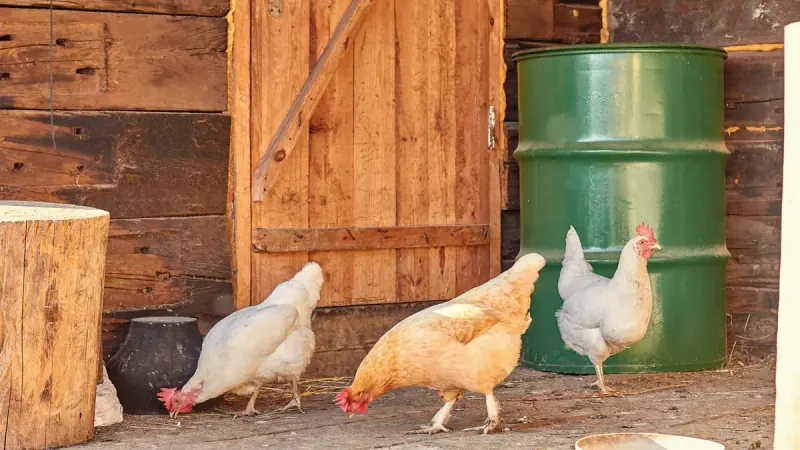
Getting Chickens Ready for Winter: Molt, Light, Records
September is molt season — the worst time to make winter decisions from memory. What molt looks like, the real pre-winter jobs, and the light question.
Read the article →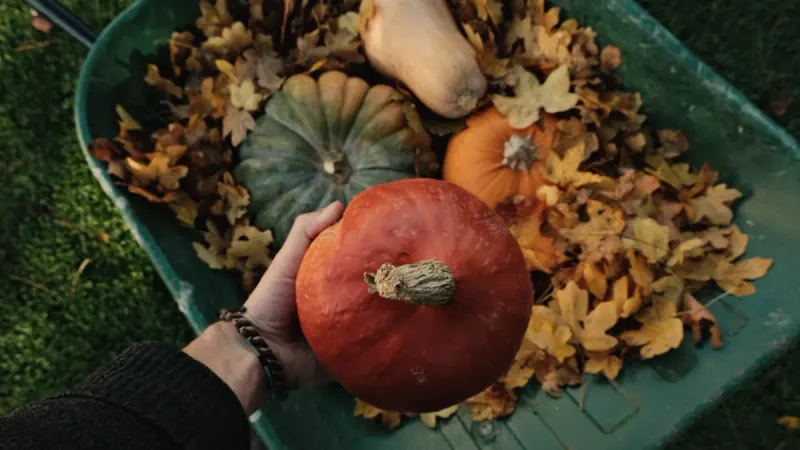
The Fall Cleanup That Feeds Next Year's Compost
Most autumn cleanup throws away the year's best compost. How to sort beds into browns, greens and burn-pile while you clear them.
Read the article →
When to Make Sauerkraut: The September Window
Late cabbage ferments differently: colder rooms, denser heads, slower crocks. How to read the September window, start to finish.
Read the article →