The July Water Audit: 30 Minutes That Save Your August
Mid-summer is when watering systems quietly fail. A 30-minute July audit — pressure, emitters, mulch, schedule — before August makes the failures expensive.
August doesn’t kill gardens. July’s unnoticed failures kill gardens; August just sends the bill.
By mid-July, every watering system on every homestead has drifted from how it ran in May. Emitters clog with mineral crust. A line gets nicked by a hoe and waters a fencepost beautifully. Mulch thins where the hens have been dusting. The timer’s “20 minutes at dawn” that was generous in spring is now a rounding error against 95-degree afternoons.
None of it announces itself. Plants buffer stress silently for two, three weeks — then the tomatoes drop blossoms in the first real heat wave and everyone blames the weather. The weather was always coming. The audit is how you meet it.
The 30-minute walk-through
Do this once, mid-July, with a notebook. Not from memory afterward — with the notebook in hand, because half the value is the written baseline you’ll compare against next year.
1. Run every zone, watch every head (10 min). Turn each zone on and physically walk it. You’re looking for: geysers (split line), dry emitters (clogged), overspray onto paths, and the sad drip that means pressure is wrong. Write down each failure and its bed — a fix-list beats a memory every time.
2. The tuna-can test (5 min, runs while you do #3). Set three straight-sided cans across one sprinkler zone. Run 15 minutes. Measure depth in each: you now know actual output and whether coverage is even. Most keepers who do this the first time discover their “deep watering” is a quarter inch of theater.
3. Finger-test the mulch (5 min). Push a finger through the mulch in five spots per bed. Under two inches thick, or soil dust-dry two knuckles down at 9 a.m.? That bed goes on the fix-list: top up mulch, adjust minutes.
4. Reread the schedule against the season (5 min). Spring rules — frequent and shallow — are backwards for July. Deep and less often pushes roots down where the moisture holds. If you’re watering daily for 10 minutes, try every third day for 40 and watch the plants tell you who’s right.
5. Write the baseline (5 min). Pressure reading if you have a gauge, minutes per zone, cans’ measurements, fix-list with dates. Fifteen lines, tops.
Why the writing is the point
The audit helps this August. The record of the audit helps every August after.
Next July you won’t wonder whether the west bed always ran dry or whether that’s new. You’ll have last year’s line: “West bed cans: 0.4in vs 0.9in east — pressure drop after the elbow, fixed 7/14.” Water problems repeat with the geography of your land. Written down once, they’re diagnosed forever.
This is exactly the work The Water Code is built for — a working hydrology log with the columns already ruled: source readings, zone tests, rain harvest, seasonal reprogramming. One page per week of the watering season, and by year two your land has a water manual nobody can take from you.
Half an hour this week. Your August self, standing in a green garden while the neighbors drag hoses, sends regards.
— Hadley

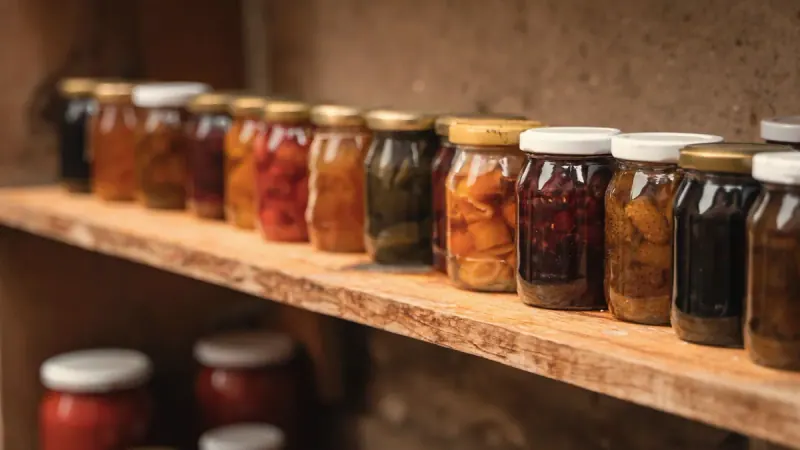
The Pre-Winter Pantry Count (Do It Before You Need It)
An inventory taken in October is true; one taken in January is done by lamplight and wrong. How to count a pantry, and the four numbers.
Read the article →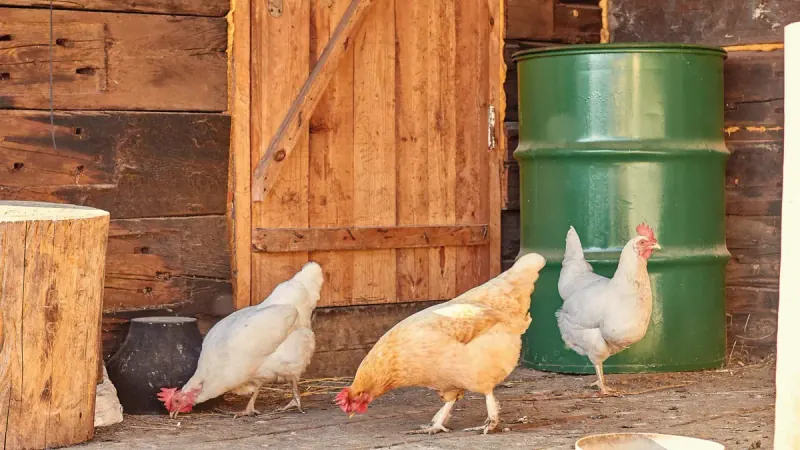
Getting Chickens Ready for Winter: Molt, Light, Records
September is molt season — the worst time to make winter decisions from memory. What molt looks like, the real pre-winter jobs, and the light question.
Read the article →
The Fall Cleanup That Feeds Next Year's Compost
Most autumn cleanup throws away the year's best compost. How to sort beds into browns, greens and burn-pile while you clear them.
Read the article →