Summer Vinegar and the Fast Ferments
Late summer surplus suits quick ferments better than long ones. Vinegar from scraps, quick pickles versus real ferments, and the fast ones that fit August.
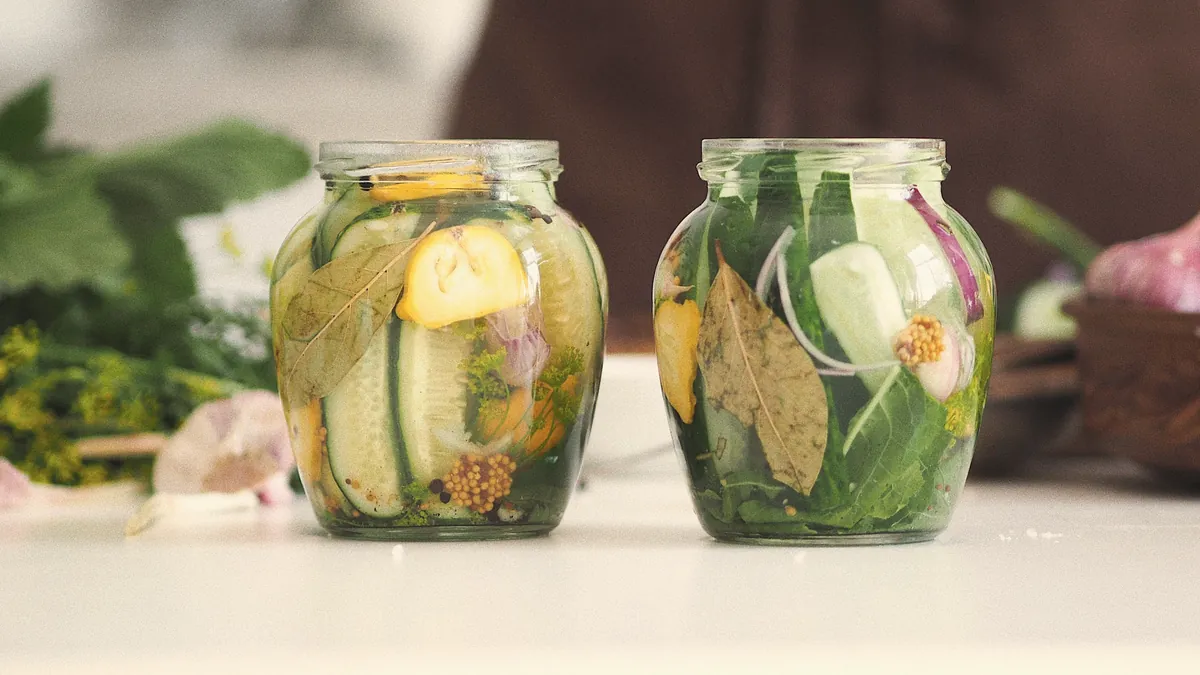
Late August produces a particular kind of surplus: not enough of any one thing to justify a canning day, but too much to eat — the odd cucumbers, the last beans, a bowl of fruit trimmings, half a cabbage.
This is what fast ferments are for. They handle small mixed quantities, they need no equipment, and most of them are underway in twenty minutes and finished within a week or two. And the warmth that makes long ferments risky right now is exactly what makes the quick ones work.
Vinegar from what you were composting
Fruit scrap vinegar is the best return-on-effort in the whole preserving year, because the input is genuinely waste — apple cores and peels, pear trimmings, bruised fruit.
It runs in two stages. First the sugars ferment to alcohol; then acetic bacteria convert the alcohol to acid. Both happen on their own if you give them the conditions.
The method, briefly: scraps into a jar, covered with water, a little sugar dissolved in to feed the first stage. Cloth over the top rather than a lid — it needs air for the second stage, which is the part people get wrong by sealing it. Keep it out of direct light and stir daily for the first week or so, keeping everything submerged. After a couple of weeks strain out the solids and let the liquid carry on until it smells and tastes like vinegar rather than cider.
Warmth speeds both stages, which is why now is a good time to start one and why the same jar begun in November sulks.
Quick pickles versus real ferments
Worth separating, because they get conflated and they behave completely differently.
A quick pickle is vegetables in a vinegar brine, usually with sugar and spices, often poured hot. It is ready in hours, it tastes of what you put in it, and it lives in the fridge. It is the answer to “there are nine cucumbers and I have twenty minutes.”
A ferment is vegetables in a salt brine where bacteria produce the acidity over days or weeks. It tastes of the process rather than the recipe, it develops, and it is a different food.
Neither is better. But a quick pickle is not a ferment, and a ferment cannot be hurried into being one.
Fast ferments that suit late summer
Small-batch and forgiving: cucumbers in a salt brine as half-sours, ready in days rather than weeks. Sliced beans. Green tomatoes, which is what the end of the season produces in quantity. Mixed vegetable jars, which are the honest answer to a mixed surplus.
The August caution is temperature. Warm ferments run fast, and fast ferments soften. If the pantry is in the high seventies, expect days rather than weeks, taste early and often, and move the jar to the coolest corner you have.
The batch record
Same as any ferment, and worth the ten seconds precisely because summer batches move so fast.
Per jar
- Date, what is in it, and the weight of vegetables
- Salt weight and the percentage — or, for a pickle, the vinegar and its strength
- Ambient temperature where it sits, measured
- Days to the point you liked it, and what it tasted like
- Whether it stayed crisp or went soft — the summer question
That temperature column is the one that earns its place in August. The difference between a crisp jar and a soft one is usually five or six degrees in the room, and you will not remember in October which corner the good jar sat in.
The Culture Archive is ruled for exactly this — a batch page per ferment with weights, percentages, temperature and a tasting column, so a good jar becomes a formula rather than a happy accident. The free Batch Log is the single-page version.
This week
Start a vinegar jar with whatever fruit trimmings the kitchen produces this week — it costs nothing and it will be doing its work while you get on with everything else.
Then put a thermometer next to it. That number is the one you will want in October.
— Hadley
Common questions
- How long does scrap vinegar take?
- Commonly several weeks to a few months, in two stages — sugar to alcohol first, then alcohol to acetic acid. Warmth speeds it up, which is why late summer is a good time to start one.
- What is the difference between a quick pickle and a ferment?
- A quick pickle is preserved by added vinegar and is ready in hours; a ferment produces its own acidity through bacteria over days or weeks. They keep differently and taste completely different.
- Why did my ferment go soft?
- Usually too warm, too little salt, or vegetables that were not fresh. Late summer heat is the most common cause of the three, which is why recording the ambient temperature is worth the ten seconds.

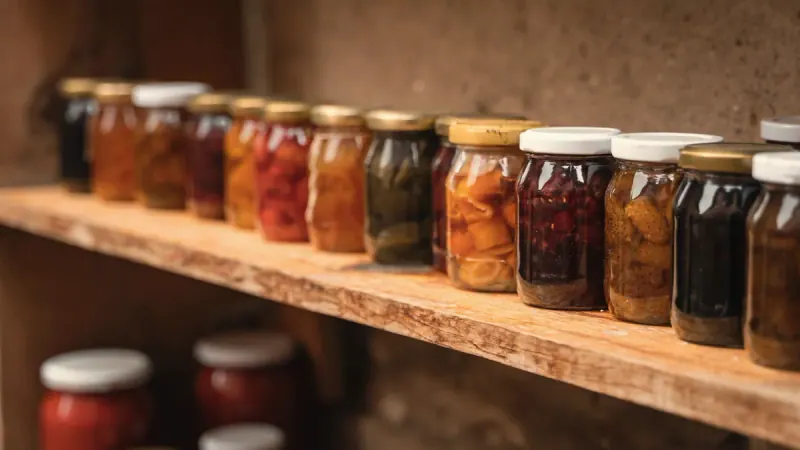
The Pre-Winter Pantry Count (Do It Before You Need It)
An inventory taken in October is true; one taken in January is done by lamplight and wrong. How to count a pantry, and the four numbers.
Read the article →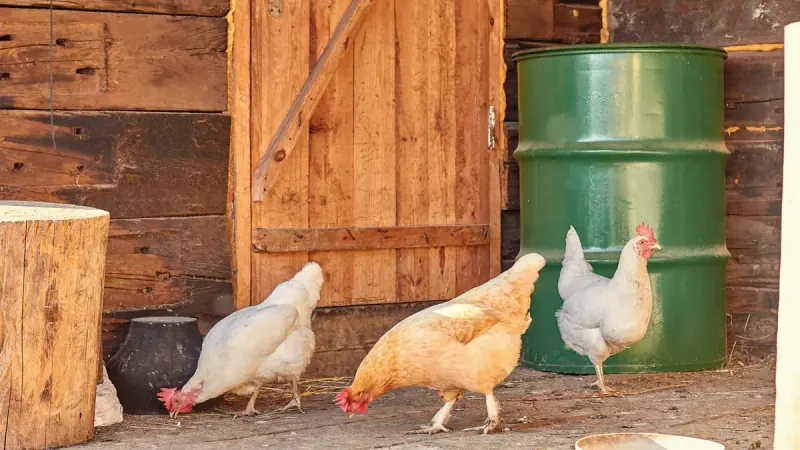
Getting Chickens Ready for Winter: Molt, Light, Records
September is molt season — the worst time to make winter decisions from memory. What molt looks like, the real pre-winter jobs, and the light question.
Read the article →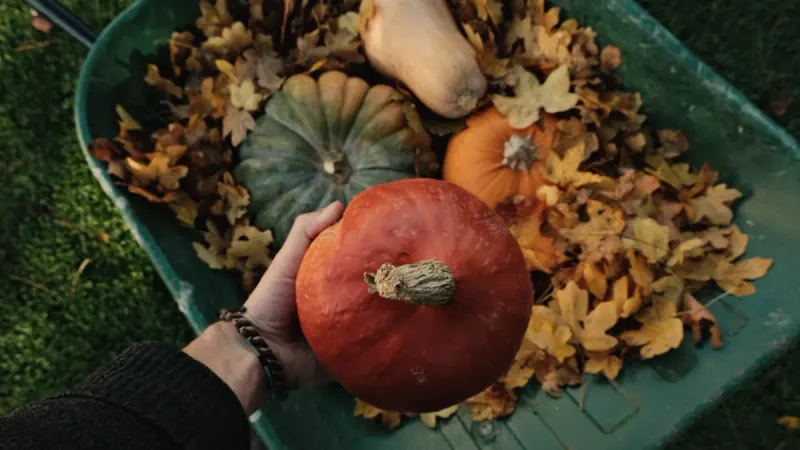
The Fall Cleanup That Feeds Next Year's Compost
Most autumn cleanup throws away the year's best compost. How to sort beds into browns, greens and burn-pile while you clear them.
Read the article →