Drying Herbs at Peak: Timing, Method, Jars
August herbs are at their strongest and their most perishable. When to cut for drying, the three methods compared, and how to know a batch is actually dry.
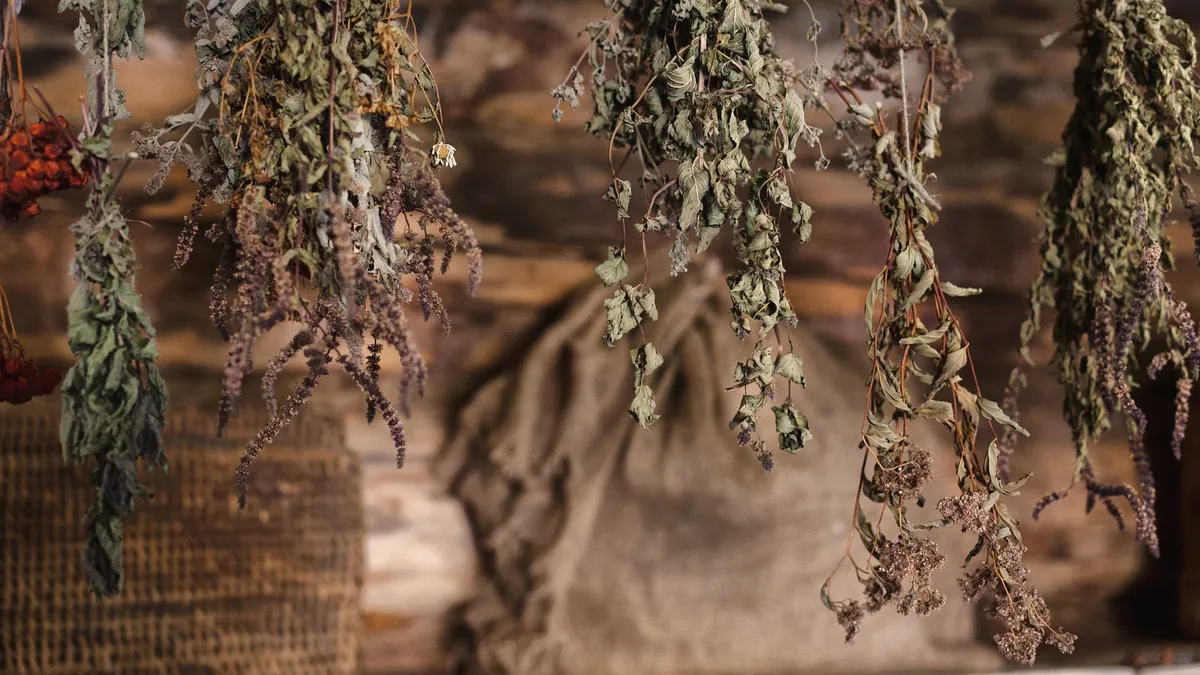
August is the peak and the deadline at the same time. The herbs are at their strongest, several are about to flower and change, and every one of them is more than the kitchen can use fresh.
Drying is the way to carry that forward, and it is a simple process with three places to go wrong: cutting at the wrong moment, drying too slowly or too hot, and storing before it is actually dry.
Cut just before flowering, mid-morning
The concentration of aromatic oils peaks just before a plant flowers and drops once it commits to seed. So the cut for drying is earlier than the cut you would make for the kitchen — you are harvesting a plant at its strongest rather than at its most convenient.
Mid-morning, after the dew has dried and before the day’s heat. Wet material dries slowly and unevenly, which is the origin of most mouldy batches; heat-stressed afternoon material has already lost some of what you are trying to keep.
Cut whole stems rather than picking leaves. Stems are easier to hang, easier to handle, and the leaves strip off cleanly once dry.
Three methods, and when each is right
Hanging in bunches. Small bundles — a loose handful, no more — tied at the stems, hung upside down somewhere warm, airy and dark. Free, needs no equipment, and works well for anything with a decent stem: mint, oregano, thyme, sage, marjoram.
The failure mode is bunches too thick. The middle stays damp while the outside dries, and you find out weeks later. If a bundle feels dense in the hand, halve it.
Flat on racks or screens. Better for large-leaved and high-moisture herbs — basil especially, which is thick-leaved and prone to going black when hung. Single layer, airflow underneath, turned once or twice.
A dehydrator. The most reliable and the fastest, and the one that removes weather from the equation entirely. Use the lowest setting your machine has. Heat is the enemy of aroma; you are trying to remove water, not cook.
The test, and the two-day wait
Leaves crumble rather than fold. Stems snap rather than bend. That is the whole test, and it is mechanical rather than a matter of judgement.
Then — the step almost everyone skips — jar it and check it two days later. If any condensation appears on the inside of the glass, it was not dry. Tip it back out, dry it further, and jar it again. Two days of patience against a whole jar lost is not a difficult trade, but it only works if you actually look.
Storing it so it lasts
Whole leaves, not crushed. Crushing ruptures the oil cells, and a pre-crushed jar loses strength in a few months where whole leaves hold most of it for a year. Crush in your hand as you use it.
Airtight glass, in the dark. Labelled with the plant and the year — the year is what tells you, next August, whether last year’s jar is worth keeping or whether it is time to replace it with fresh.
The record
Per batch
- What it is, and the date cut
- Stage when cut — before flowering, flowering, after
- Method and how long it took, plus the weather if you air-dried
- Roughly what it yielded, in jars or weight
- How it was, come January — colour, aroma, whether you used it up
That last column is the one that improves your drying. Two seasons of it and you will know whether the rack really did beat the bunches for basil in your climate, and whether the batch you rushed in humid weather was noticeably worse. It also tells you the only quantity that matters for planning: how much of each herb this household actually gets through in a year — which is almost always less than you dry, for two or three of them, and more for one.
Herb Helix has the harvest and drying pages ruled for this, per plant and per batch. If your work carries on into preparations rather than the kitchen, Plant Apothecary picks up from there.
This week
Walk the herb bed and find what is about to flower. That is this week’s drying, whether or not you had planned to do any.
Cut mid-morning, bundle loosely, hang in the dark. Then check in two days after jarring — that is the habit that saves batches.
— Hadley
Common questions
- When is the best time to cut herbs for drying?
- Mid-morning after the dew has gone, and just before the plant flowers. That is when the aromatic oils are at their highest concentration.
- How do you know when dried herbs are ready to store?
- Leaves crumble rather than fold, and stems snap rather than bend. Anything that still flexes holds moisture, and moisture in a sealed jar spoils the batch.
- Should dried herbs be crushed before storing?
- No — store leaves whole and crush when you use them. Crushing releases the volatile oils, so a jar of pre-crushed herb loses its strength far faster.
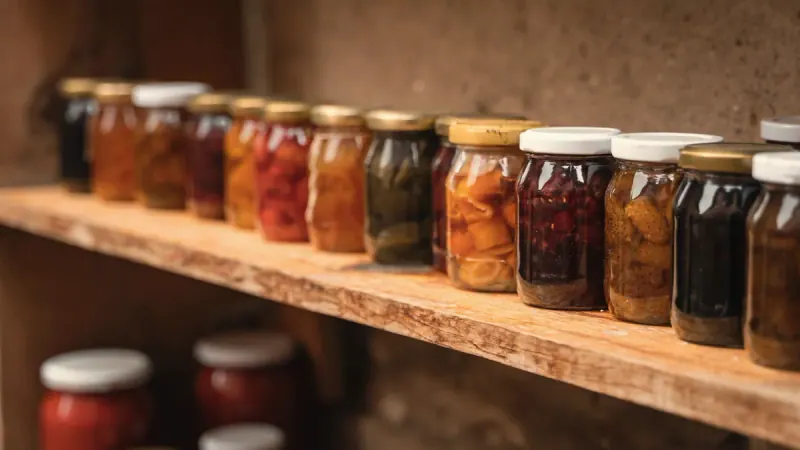
The Pre-Winter Pantry Count (Do It Before You Need It)
An inventory taken in October is true; one taken in January is done by lamplight and wrong. How to count a pantry, and the four numbers.
Read the article →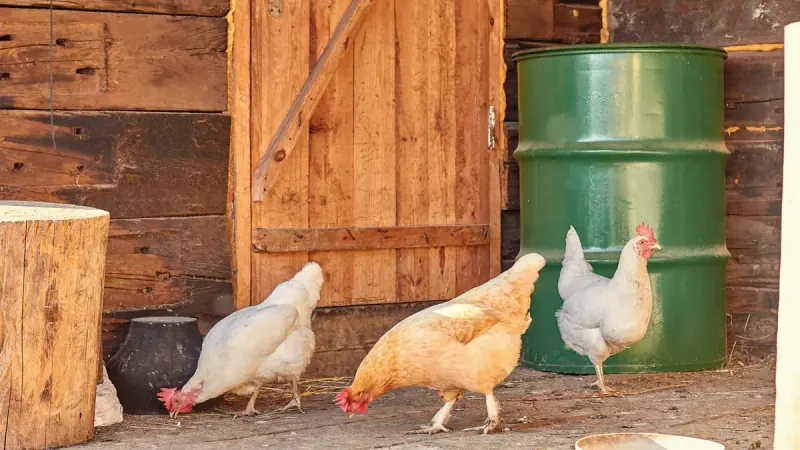
Getting Chickens Ready for Winter: Molt, Light, Records
September is molt season — the worst time to make winter decisions from memory. What molt looks like, the real pre-winter jobs, and the light question.
Read the article →
The Fall Cleanup That Feeds Next Year's Compost
Most autumn cleanup throws away the year's best compost. How to sort beds into browns, greens and burn-pile while you clear them.
Read the article →