The Glut: What to Do When It All Ripens at Once
Peak season fails on triage, not effort. How to decide in ten minutes what gets preserved, eaten or given away — before the counter decides for you.
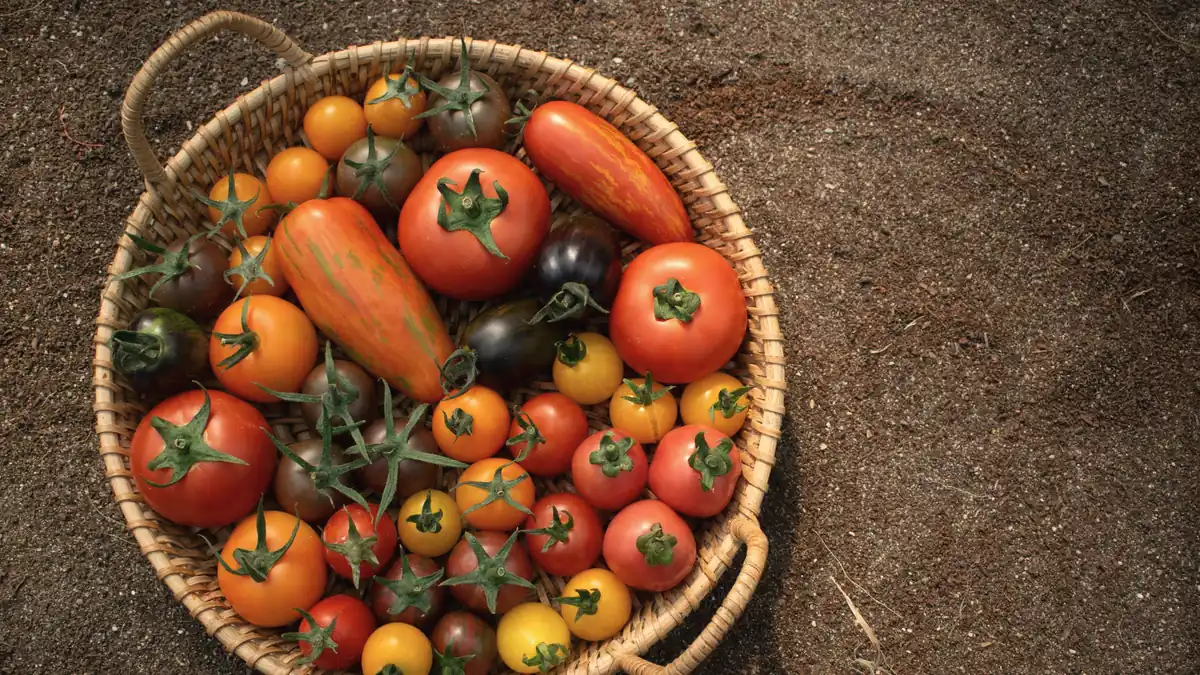
Late July is when the garden stops being a project and becomes a problem.
Everything arrives at once. The counter fills, then the second counter, then the floor by the door. There is a bowl of tomatoes going soft behind the bread bin that you will find on Thursday. And the working assumption — that you will deal with it as it comes — quietly stops being true somewhere around the third consecutive day of picking.
The failure is not effort. Everyone works hard in a glut. The failure is that nobody decides anything, so the produce decides, and what it decides is to spoil in the order it was picked.
Ten minutes of triage beats an evening of frantic canning
Before you process anything, sort what is in front of you into four groups. It takes ten minutes and it is the whole article.
Eat this week. Everything that is perfectly ripe now. This is bigger than you think, and it is free — no processing, no jars, no energy.
Preserve, in spoilage order. Sort by what dies first, not by what you feel like doing. Soft fruit and ripe tomatoes are on a clock measured in days. Squash and onions are on one measured in months.
Give away, today. The genuine surplus. Not “give away if there’s some left”, which never happens — decide now, bag it now, and take it out of the equation.
Compost. The ones already past it. Doing this immediately, rather than leaving them in the queue to be dealt with, is what keeps the working surface honest.
Preserve what you will eat, not what you can preserve
This is the rule that most needs saying, because a glut generates enormous energy and energy looks for an outlet.
Every homestead has the shelf of things preserved in a burst of enthusiasm that nobody has touched since. Twenty jars of a chutney made because there was a recipe and there were tomatoes. Frozen bags of something unlabelled. These represent real hours and real jars, and they are functionally identical to having composted the produce, except you also spent an evening.
So the test on every batch is: will this household actually eat this, in winter, given the choice? If the honest answer is no, the produce is better given away fresh, when it is at its best and someone wants it.
Fast methods first
In peak week, throughput matters more than elegance.
Freezing beats canning on time, and most things freeze well enough. Tomatoes can go into the freezer whole, in bags, skins on — the skins slip off under warm water later and you can process them in November when there is time. Drying runs unattended. Fermenting is fast to set up and then looks after itself for weeks.
Save the pressure canner and the long cooked preserves for the day the picking eases, or for the crops that genuinely warrant it.
The record that prevents next year’s glut
A glut is almost never weather. It is a planting decision made in February — twelve courgette plants because the packet had twelve seeds, or a whole bed of beans sown on one day.
During peak week
- What came in, roughly, and when the peak hit
- How many plants produced it — the number that fixes next year
- What you preserved, how, and how much
- What was wasted, honestly, and why — spoiled, no time, nobody ate it
- The sentence for February: “six courgette plants was four too many”
That last line, written in the middle of the flood while you are annoyed, is worth more than any amount of planning done calmly in winter. Winter-you is optimistic and has forgotten. July-you is standing in it and is absolutely correct.
The Harvest Vault is ruled for the preserving side and the inventory that follows it — what went in, in what quantity, and what came back out over the winter. The free Inventory & Loop Log is the one-page version if you want to run this season on paper first.
And succession, next year
The structural fix is sowing in waves rather than blocks — a short row of beans every fortnight instead of the whole packet in May. It converts a two-week flood into a two-month supply, and it is entirely a February decision.
Which is exactly why it needs writing down in July.
This week
Before you process anything tonight: ten minutes, four piles, and give one away before dark.
Then write the plant count down. That is the line that makes next July calmer.
— Hadley
Common questions
- What should be preserved first in a glut?
- Whatever spoils fastest and whatever you will genuinely eat in winter. Those two together, not one or the other — perfectly preserved food nobody wants is still waste, just delayed.
- Is freezing or canning better for a glut?
- Freezing is faster and keeps more of the fresh character; canning is shelf-stable and does not depend on power. Most homesteads use both, and the deciding factor is usually how much freezer space is left.
- How do you stop gluts happening?
- Succession sowing and honest records of how much a planting produced. Most gluts are a planting decision made six months earlier, not a weather event.
The Pre-Winter Pantry Count (Do It Before You Need It)
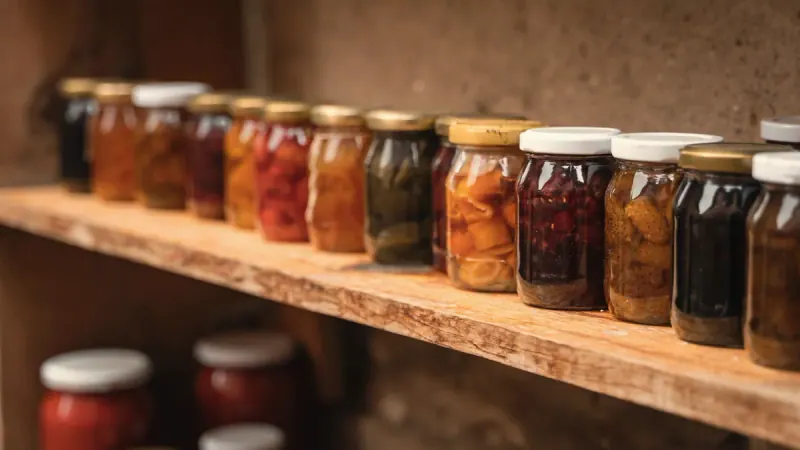
An inventory taken in October is true; one taken in January is done by lamplight and wrong. How to count a pantry, and the four numbers.
Read the article →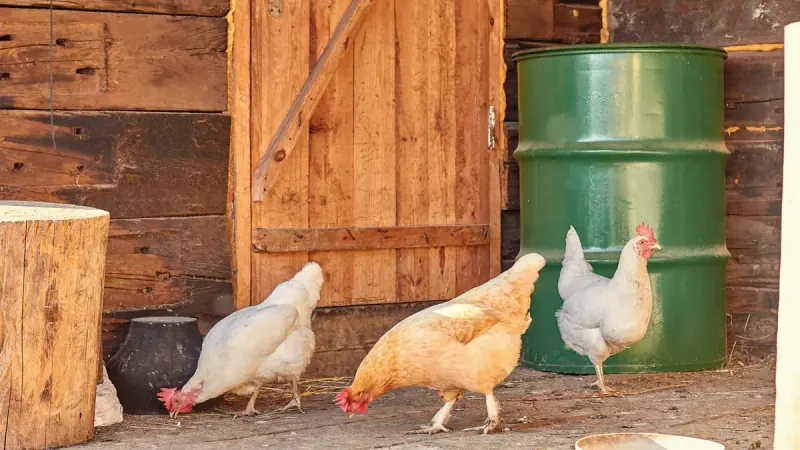
Getting Chickens Ready for Winter: Molt, Light, Records
September is molt season — the worst time to make winter decisions from memory. What molt looks like, the real pre-winter jobs, and the light question.
Read the article →
The Fall Cleanup That Feeds Next Year's Compost
Most autumn cleanup throws away the year's best compost. How to sort beds into browns, greens and burn-pile while you clear them.
Read the article →