The First Herb Cut: Harder and Earlier Than You Think
Most herb beds underproduce because they are cut too timidly and too late. When to make the first cut, how hard, and when to let them flower.
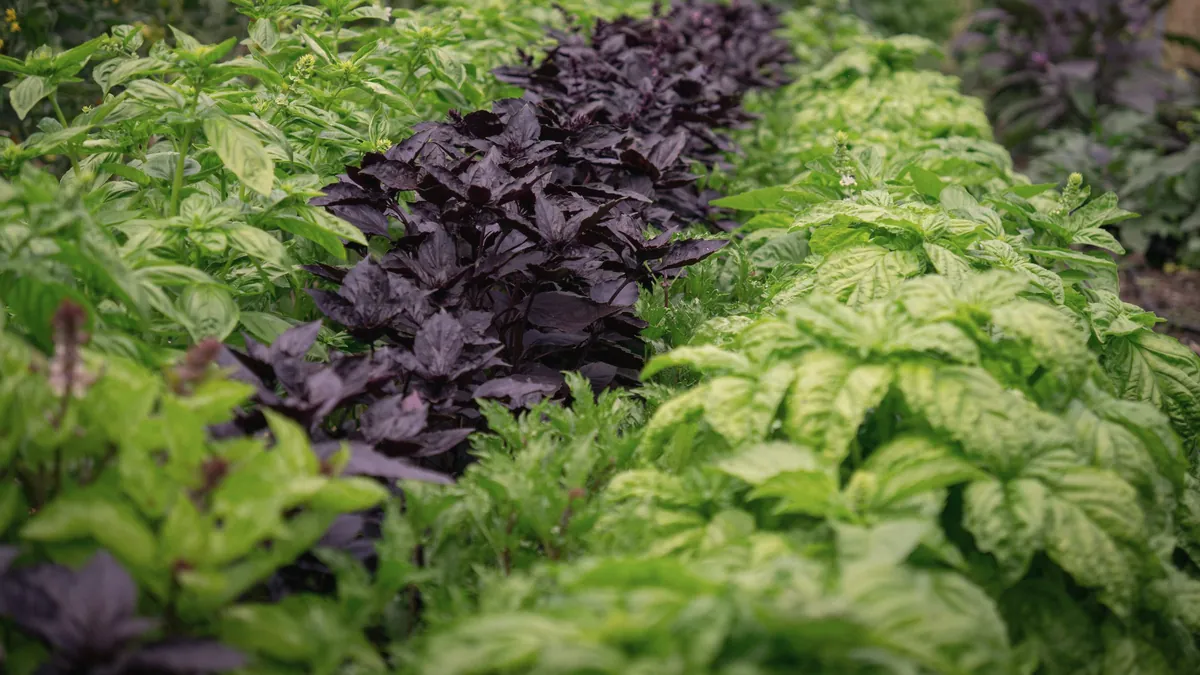
The most common herb-bed problem is not disease, or soil, or sun. It is that the gardener is too polite with the scissors.
A basil plant snipped a leaf at a time, cautiously, from the top, will bolt to flower by midsummer and be finished. The same plant cut back hard and regularly will branch, thicken and produce for months. The plant is not being harvested in the first case so much as nibbled, and nibbling is a signal to move on to seed.
So the first cut of the season matters more than it looks, and it should be earlier and harder than instinct says.
Cut early, cut hard, cut often
Early. The first proper cut comes when the plant is established and putting on growth — not when it is finally “big enough to spare some.” Waiting until a plant looks generous means waiting until it has already committed to a single stem, and a single-stemmed basil is a plant that will flower rather than branch.
Hard. Up to about a third of the plant for most soft herbs, taken from above a leaf pair. Each cut stem generally responds with two, which is the whole mechanism — you are not taking from the plant so much as instructing it.
Often. A herb bed cut weekly produces far more over a season than one harvested occasionally, even though each individual harvest is smaller.
The exception worth knowing: woody perennials — rosemary, thyme, sage, lavender — do not take the same treatment. Cut into the green, not back into old bare wood, because many of them will not reshoot from it.
Flowering, and when to allow it
For leaf production, flowering is the end of the useful phase. The plant redirects energy, the leaves get smaller and tougher, and in several soft herbs the flavour changes noticeably.
So pinch flower buds out as they appear on anything you are growing for leaves. The exception is deliberate: leave a few plants — or a few stems on each — to flower for the pollinators, and let coriander and dill go if you want the seed. That is a choice, made once, rather than an oversight.
The record that turns a bed into a supply
This is where a herb bed stops being decorative and starts being provisioning. Four columns:
Per plant or per patch
- What it is, where it is, and whether it is annual or perennial
- Date of each cut, and roughly how much — “a full colander”, “two handfuls”
- What you did with it — used fresh, dried, frozen, made into something
- When it flowered or finished, and whether you got there first
Two seasons of that answers the questions you cannot answer now. How many basil plants does this household actually need? (Almost always fewer than you plant, and cut harder.) Does the mint by the wall outproduce the one in the shade enough to justify the space? When does the coriander bolt here — because it is earlier than the packet says, everywhere.
It also tells you what you never used. Every herb bed contains one plant grown out of a sense that a herb garden should have it, harvested twice, and composted in October. Written down, that becomes a decision instead of an annual habit.
Herb Helix is ruled for the growing and drying side — per-plant pages with cut dates, quantities and what became of them, through to the drying records. Plant Apothecary picks up where preparations begin, if that is where your work goes.
Drying, briefly
Most of a summer’s cutting will outrun what you can use fresh, and the surplus is the point.
Single layer, good airflow, out of direct sun. Leaves are dry when they crumble rather than fold. Then straight into a jar, labelled with the plant and the year, somewhere dark — light is what fades both colour and aroma in stored herbs, and a jar on a sunny windowsill is a jar of hay by Christmas.
This week
Go out mid-morning and cut the basil harder than feels reasonable. Take a third, above a leaf pair, from every plant.
Come back in ten days and look at what it did. That is the whole argument, and the plant makes it better than I can.
— Hadley
Common questions
- How much of a herb plant can I cut at once?
- For most soft herbs, up to a third of the plant without setting it back. Cutting little and often keeps a plant productive; cutting a leaf here and there encourages it to flower and stop.
- When is the best time of day to harvest herbs?
- Mid-morning, once the dew has dried but before the heat of the day. The plant is fully turgid and the aromatic oils are at their strongest.
- Should I let my herbs flower?
- For leaf production, no — flowering shifts the plant's energy away from leaves and changes the flavour of many soft herbs. Leave a few plants to flower for the pollinators and keep the rest cut back.
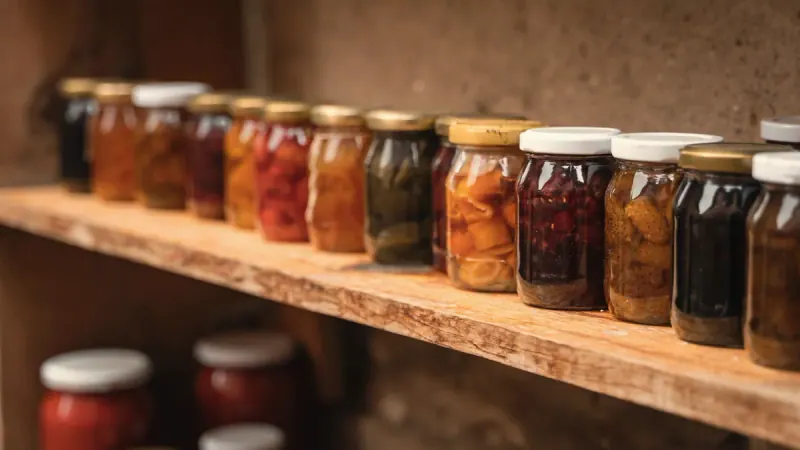
The Pre-Winter Pantry Count (Do It Before You Need It)
An inventory taken in October is true; one taken in January is done by lamplight and wrong. How to count a pantry, and the four numbers.
Read the article →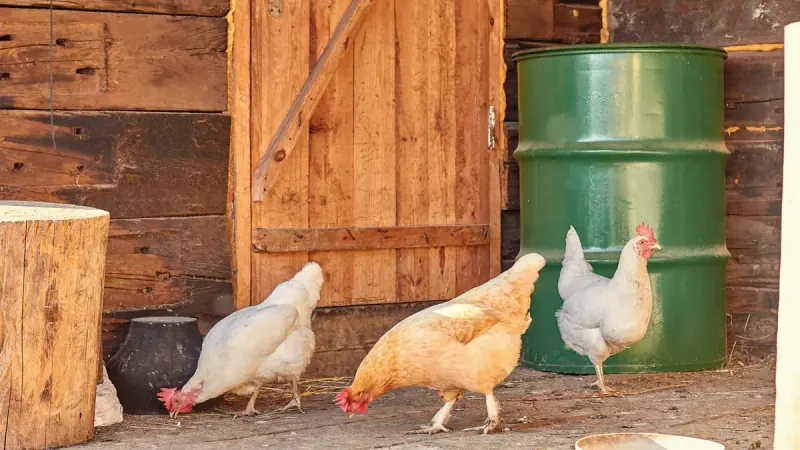
Getting Chickens Ready for Winter: Molt, Light, Records
September is molt season — the worst time to make winter decisions from memory. What molt looks like, the real pre-winter jobs, and the light question.
Read the article →
The Fall Cleanup That Feeds Next Year's Compost
Most autumn cleanup throws away the year's best compost. How to sort beds into browns, greens and burn-pile while you clear them.
Read the article →